September 29, 2026
Why Is My Dog Panting at Night?
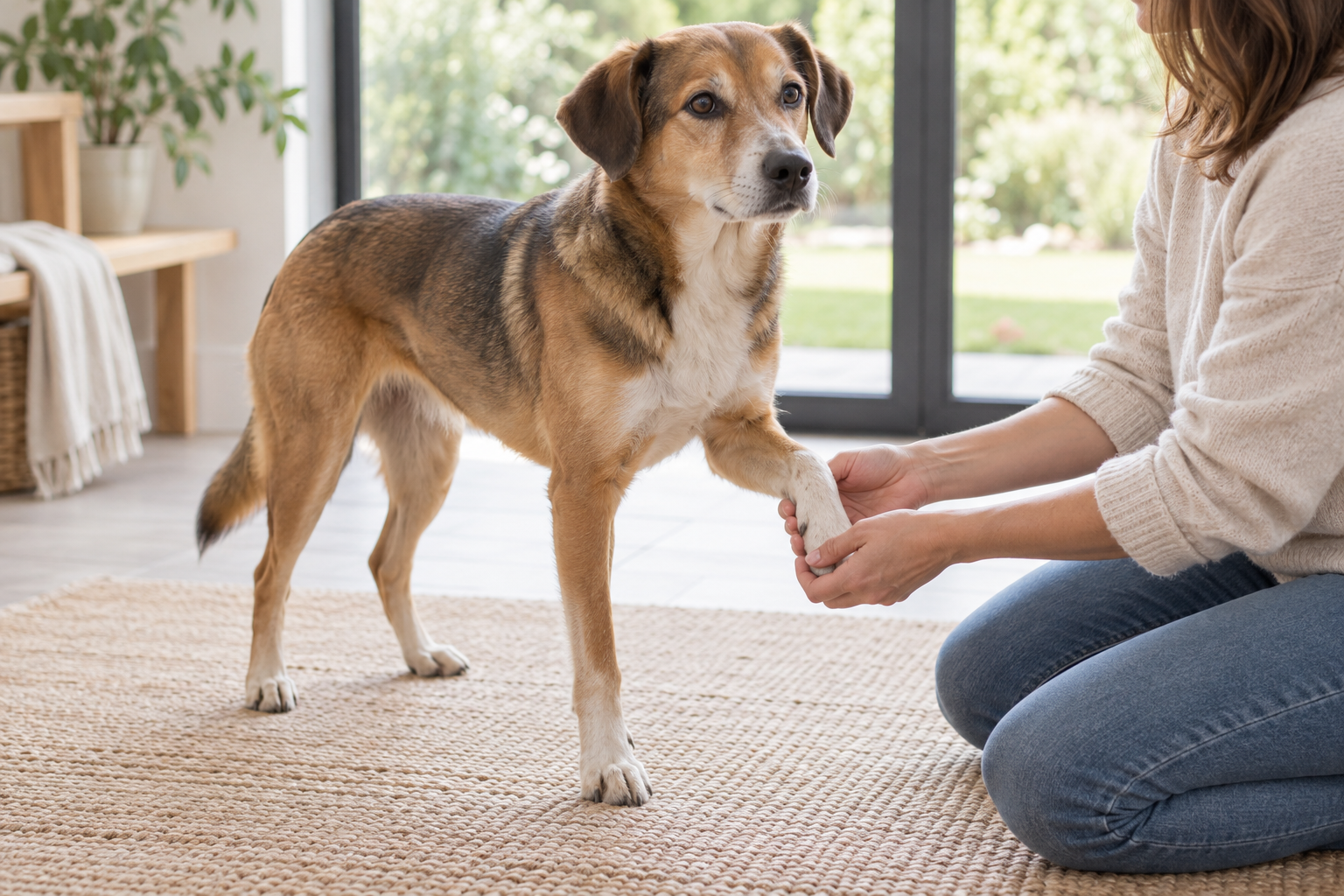
Panting helps dogs release heat, but unexplained nighttime panting can also accompany pain, anxiety or illness.
Look at the whole dog, not one sign in isolation. Note when the change began, what else changed and whether normal eating, drinking, movement and toileting continue.
What this sign can mean
The same visible behaviour can have several explanations. Context, duration and accompanying changes help a veterinary professional narrow the possibilities; an online description cannot confirm the cause.
- A warm room, heavy bedding or recent exercise
- Stress caused by noise, separation or a changed routine
- Pain that becomes noticeable when the dog tries to settle
- Fever, breathing disease or heart disease
- Medication effects or hormonal and metabolic conditions
What to observe before calling the vet
A short, factual record is more useful than trying several remedies. If it is safe, collect the following information without restraining or repeatedly testing your pet.
- Room temperature and what happened during the previous hour
- Breathing effort, gum colour and whether the dog can settle
- Coughing, pacing, trembling, increased thirst or frequent urination
- A resting respiratory count while the dog is genuinely asleep
- Whether the pattern is new, progressive or linked to medication
What you can do right now
- Move the dog to a comfortably cool, quiet room
- Offer fresh water without forcing drinking
- Stop activity and observe breathing from a short distance
- Record a brief video and note duration for the veterinarian
Do not give human medication, use leftover prescriptions or force food and water. Those steps can obscure symptoms or create a second problem.
When to arrange a veterinary appointment
Arrange veterinary advice for new recurrent nighttime panting, especially in an older dog or when it comes with coughing, reduced stamina, thirst, appetite change or restlessness.
Treat breathing difficulty, blue or very pale gums, collapse, confusion, extreme heat, repeated vomiting or an inability to settle as urgent.
A useful 24-hour record
Write down the time of each episode, meals, water, urine, stool, sleep, activity and medication. Take clear photographs or short videos when doing so does not delay urgent care. In a multi-pet home, separate observation periods may be necessary to identify which animal ate or used the litter area.
Patterns matter: a single event after a clear trigger differs from a change that repeats, intensifies or appears alongside appetite, weight, breathing, mobility or personality changes. Your veterinary team can also tell you whether monitoring is reasonable or an examination is needed sooner.
Frequently asked questions
How do I know if the room is too warm?
Consider ventilation, humidity, bedding and the dog’s coat and face shape. A relaxed dog should be able to settle once moved somewhere cooler.
Is panting always anxiety?
No. Behaviour is only one possibility; pain and medical causes must not be missed.
Should I count breaths while my dog pants?
A sleeping respiratory rate is more useful when the dog is fully asleep and not panting. Ask your veterinary team how to measure it.
Reliable reference
This guide was prepared as general education and reviewed against veterinary reference material. Read the supporting source: veterinary guidance used for this topic.
This article does not diagnose or replace examination by a veterinarian. When symptoms are sudden, severe or worsening, contact a veterinary professional.