September 29, 2026
Signs of Constipation in Cats
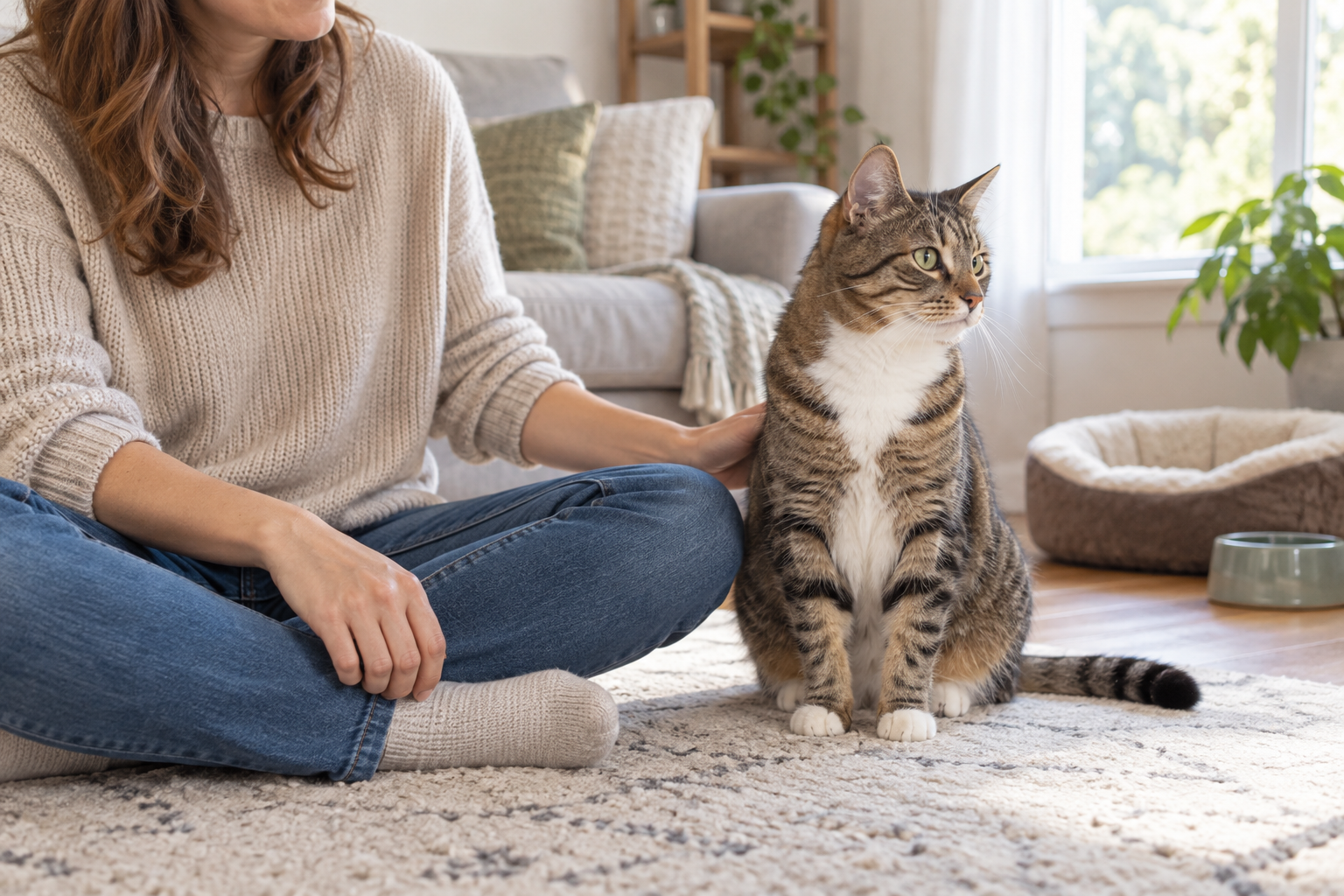
Constipation means passing stool infrequently or with difficulty, often producing small, hard and dry faeces. Repeated straining needs careful interpretation.
Look at the whole cat, not one sign in isolation. Note when the change began, what else changed and whether normal eating, drinking, movement and toileting continue.
What this sign can mean
The same visible behaviour can have several explanations. Context, duration and accompanying changes help a veterinary professional narrow the possibilities; an online description cannot confirm the cause.
- Dehydration or reduced water intake
- Swallowed hair or another indigestible material
- Pain, arthritis or reluctance to enter the litter tray
- Medication, neurological or metabolic disease
- Colon dysfunction, obstruction or narrowing of the pelvic canal
What to observe before calling the vet
A short, factual record is more useful than trying several remedies. If it is safe, collect the following information without restraining or repeatedly testing your pet.
- Date, size, consistency and amount of the last stools
- Repeated litter visits and whether urine or stool is produced
- Appetite, vomiting, posture, activity and abdominal discomfort
- Water intake and any recent diet or medication change
- Whether another cat could be using the same tray
What you can do right now
- Provide clean, easy-to-enter litter trays in quiet locations
- Keep multiple fresh water sources available
- Record output rather than guessing in a shared tray
- Ask the veterinarian before changing fibre or giving any laxative
Do not give human medication, use leftover prescriptions or force food and water. Those steps can obscure symptoms or create a second problem.
When to arrange a veterinary appointment
Contact a veterinarian promptly when a cat repeatedly strains, passes only hard small stools, has not defecated as expected, vomits, eats less or develops recurrent constipation.
Repeated straining with little or no urine can indicate urinary obstruction, especially in male cats, and is an emergency. Severe pain, collapse or persistent vomiting also requires urgent care.
A useful 24-hour record
Write down the time of each episode, meals, water, urine, stool, sleep, activity and medication. Take clear photographs or short videos when doing so does not delay urgent care. In a multi-pet home, separate observation periods may be necessary to identify which animal ate or used the litter area.
Patterns matter: a single event after a clear trigger differs from a change that repeats, intensifies or appears alongside appetite, weight, breathing, mobility or personality changes. Your veterinary team can also tell you whether monitoring is reasonable or an examination is needed sooner.
Frequently asked questions
Can I give a human laxative?
No. Cornell recommends laxatives only with veterinary approval and supervision because the cause and hydration status matter.
How can I tell urine straining from constipation?
It can be difficult. Look for actual output, but do not wait when repeated straining produces little or nothing.
Does pumpkin fix constipation?
Dietary changes are not universal treatment. Obstruction, pain and dehydration must be considered before adding fibre.
Reliable reference
This guide was prepared as general education and reviewed against veterinary reference material. Read the supporting source: veterinary guidance used for this topic.
This article does not diagnose or replace examination by a veterinarian. When symptoms are sudden, severe or worsening, contact a veterinary professional.