July 31, 2026
How to Use a Lick Mat for Dogs: Safe Foods, Freezing & Cleaning
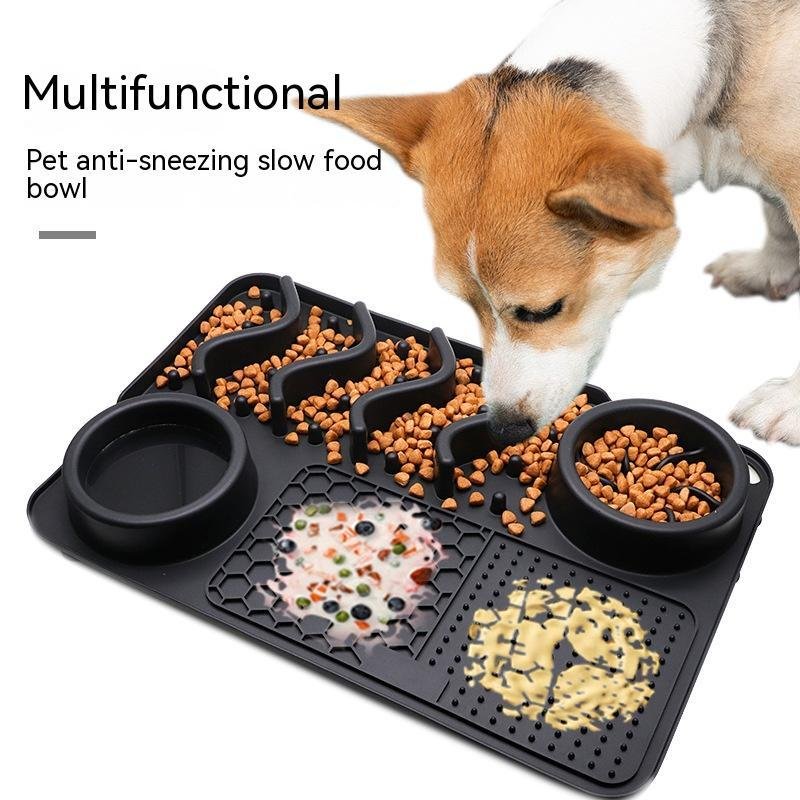
A lick mat turns a small amount of spreadable food into a slower, more engaging activity. Used correctly, it can add variety to mealtimes, occupy a dog during a calm routine and make a measured portion last longer.
This guide explains how to use a lick mat for dogs, what you can safely put on it, how long to freeze it, how to clean it and the mistakes that can turn a useful enrichment tool into a chewing or calorie problem.
How to use a dog lick mat: the quick answer
- Choose a clean, undamaged mat that is large enough for your dog.
- Spread a thin layer of familiar, dog-safe food across the textured surface.
- Include that food in your dog’s normal daily allowance.
- Place the mat on a stable, washable surface and supervise the entire session.
- Remove it when the food is gone or if your dog starts chewing the silicone.
- Wash it thoroughly after every use and let it dry completely.
What is a lick mat for dogs?
A lick mat is a flat feeding surface with grooves, ridges or small pockets. Soft food is pressed into the texture, so a dog has to lick repeatedly instead of taking the whole portion in one bite. It is an enrichment accessory, not a toy for unsupervised chewing and not a treatment for anxiety or a medical condition.
Veterinary enrichment guidance from The Ohio State University Veterinary Medical Center includes lick mats among beginner food-based activities. The useful principle is simple: let the dog work through an appropriate part of the food they would already receive.
Are lick mats good for dogs?
They can be useful when the food, difficulty and session length suit the individual dog. A textured mat may:
- make a small portion take longer to eat;
- provide a focused enrichment activity;
- add variety without requiring extra treats;
- support a predictable settling routine;
- occupy a dog briefly during supervised grooming or handling.
Licking should not be described as a guaranteed cure for stress. A dog showing panic, destructive escape attempts, persistent distress when alone or sudden behavioural change needs individual advice from a veterinarian or qualified behaviour professional.
How to introduce a lick mat step by step
1. Begin with familiar food
Use something your dog has eaten safely before. A new food and a new object introduced together make it harder to identify the cause if stomach upset or itching occurs.
2. Start with a thin, easy layer
Smear food lightly over the raised texture instead of filling every deep pocket. The first session should be easy enough for your dog to understand without biting, scratching or flipping the mat.
3. Stabilise the mat
Put it on a clean tile floor, washable mat or other level surface where it cannot slide into furniture. Hold an edge if necessary during the first introduction, keeping fingers away from the food.
4. Supervise from start to finish
Watch how your dog interacts with it. Calm licking is the goal. Remove the mat immediately if the dog folds it, tears at an edge or tries to swallow silicone. A lick mat should never remain in a crate or room with an unattended dog.
5. End while it is still successful
Pick it up when the accessible food is gone. Do not leave the empty mat down as a chew item. Wash it before residue dries inside the grooves.
What can you put on a lick mat for dogs?
The best filling is nutritionally appropriate, spreadable and already tolerated by your dog. Good options depend on the individual diet and may include:
- Water-softened kibble: soak part of the normal ration, mash it and spread it thinly.
- Your dog’s usual wet food: one of the simplest ways to avoid introducing unnecessary ingredients.
- Plain pumpkin puree: use pumpkin only, not sweetened or spiced pie filling.
- Plain unsweetened yoghurt: only if your dog tolerates dairy and the label contains no unsafe sweeteners.
- Dog-safe peanut butter: use a very thin layer, check calories and confirm it contains no xylitol.
- Mashed banana: a small amount can add a different texture but still contributes sugar and calories.
For allergies, pancreatitis, diabetes, kidney disease, a prescription diet or another health condition, ask your veterinarian before adding toppings. The safest default is often a portion of the dog’s regular complete food.
Foods to avoid on a dog lick mat
Ingredient labels matter. Never use a product containing xylitol, sometimes labelled birch sugar; it is toxic to dogs. Also avoid chocolate, grapes, raisins, onions, garlic, alcohol, caffeinated products, macadamia nuts and foods containing cooked bones.
Rich, fatty or heavily salted leftovers are poor lick-mat choices even when they do not contain a well-known toxin. The American Kennel Club’s lick-mat guidance also recommends dog-safe ingredients, supervision and cleaning after every use. If you are unsure whether an ingredient is suitable, do not use it until a veterinarian confirms it.
Raw meat mixtures add food-safety concerns. The CDC advises against feeding raw pet food because raw animal proteins can carry germs that affect pets and people.
Can you freeze a lick mat for dogs?
Yes, if both the mat and chosen food are suitable for freezing. Freezing can make the activity last longer, but it also increases difficulty. Introduce the mat unfrozen first so you know your dog understands it.
- Spread a thin layer of food over the texture.
- Place the mat flat in a clean freezer-safe container.
- Freeze until firm; a thin layer commonly needs a few hours.
- Let an extremely hard surface soften briefly before offering it.
- Supervise and remove it if your dog bites the mat or appears frustrated.
A frozen mat should not be so difficult that a dog starts chewing the edges. Dogs with sensitive teeth, dental disease or oral discomfort may need an unfrozen option and veterinary advice.
How much food should go on a lick mat?
A lick mat changes the delivery method, not the dog’s calorie requirement. Measure the topping and subtract it from the daily food allowance. A thick layer of peanut butter can contain far more calories than its volume suggests, so “just covering the mat” is not a reliable portion.
For a first session, use only enough food to create a thin coating. If you use kibble, measure it dry before soaking. For dogs that rush normal meals, compare this approach with the other methods in our guide to slowing down a dog that eats too fast.
When can a lick mat be useful?
As part of a quiet daily routine
Offering the mat in the same calm location can create a predictable enrichment moment. Pick a time when you can supervise rather than using it as a substitute for exercise, social contact or rest.
During grooming or bathing
Some dogs will focus on familiar food while being brushed or washed. Keep the mat away from shampoo and cleaning chemicals, avoid forcing handling the dog finds frightening and stop if body language shows distress.
For slower food delivery
Wet food or soaked kibble spread through grooves takes more licking than eating from an open bowl. Monitor the result: some dogs become very efficient, while others need a simpler texture.
For indoor enrichment
A short food activity can add interest on a quiet day, but it should sit alongside sniffing, training, play, appropriate walks and enough sleep rather than replacing them.
Dog lick mat safety checklist
- Supervise every session, including experienced dogs.
- Use a size that cannot be swallowed or easily folded into the mouth.
- Check the mat for tears, missing pieces and sharp damage before use.
- Keep the session separate from other pets if food causes competition.
- Count every topping toward the dog’s daily calories.
- Remove the mat as soon as licking changes to chewing.
- Discard a damaged mat; do not glue or patch it.
- Contact a veterinarian promptly if any material may have been swallowed.
Food-contact equipment also needs consistent hygiene. The CDC’s guidance for cleaning pet supplies recommends cleaning wet-food bowls after every use; the same cautious routine is appropriate for a textured mat holding wet food.
How to clean a silicone lick mat
- Remove leftover food immediately after the session.
- Soak the mat in warm, soapy water to loosen residue in the texture.
- Use a soft brush to clean grooves without cutting the silicone.
- Rinse thoroughly so no detergent remains.
- Inspect both sides for splits or bite damage.
- Let it dry completely before storing it flat.
Only use a dishwasher when the specific product instructions explicitly say it is dishwasher-safe. Strong smells, mould, sticky residue or damage are reasons to stop using the mat.
How to choose the right lick mat
| Feature | Why it matters | What to check |
|---|---|---|
| Size | A larger surface can spread the portion more thinly | Your dog should not be able to swallow or easily fold it |
| Texture | Deeper grooves increase difficulty | Begin with an accessible pattern for new users |
| Material | Food-contact surfaces need routine inspection | Choose an intact product and follow its care instructions |
| Stability | Sliding can cause frustration | Use it on a clean, level, washable surface |
| Cleaning | Food collects inside small grooves | Pick a design you can wash thoroughly after every use |
Frequently asked questions
How long should a dog use a lick mat?
There is no universal target. End the session when the measured food is gone, the dog loses interest or licking changes to chewing. The portion and difficulty should determine duration, not an attempt to keep the dog occupied for as long as possible.
Can dogs use lick mats every day?
They can form part of a daily routine when the food is included in the normal diet, the mat is cleaned after every use and the dog remains supervised. Rotate other enrichment activities so the routine stays balanced.
Can puppies use lick mats?
A puppy can use an appropriately sized mat under close supervision. Puppies often explore with their teeth, so start with a brief, easy session and remove the mat immediately if chewing begins.
Does a lick mat help with separation anxiety?
It may occupy some dogs briefly, but it does not diagnose or treat separation anxiety and should not be left with an unattended dog. Persistent distress needs a structured plan from a veterinarian or qualified behaviour professional.
Is peanut butter safe for a dog lick mat?
Only a small amount of a dog-safe product with no xylitol or other unsuitable ingredients. Peanut butter is calorie-dense and high in fat, so it is not appropriate for every dog.
What if my dog chews the lick mat?
Remove it immediately and switch to a different supervised feeding method. Replace damaged silicone, and contact a veterinarian if you think any piece is missing or swallowed.
Prepare a lick session safely
Spread a thin layer of a familiar, dog-safe food and count it within the daily ration. Begin with a short supervised session on a stable surface. Freezing increases duration but can make the task frustrating for some dogs, so start at room temperature and remove the mat immediately if licking changes to biting or tearing.
This article provides general educational information and does not replace veterinary or nutritional advice for an individual dog.