July 29, 2026
How to Trim Black Dog Nails Safely: Clippers vs Grinder
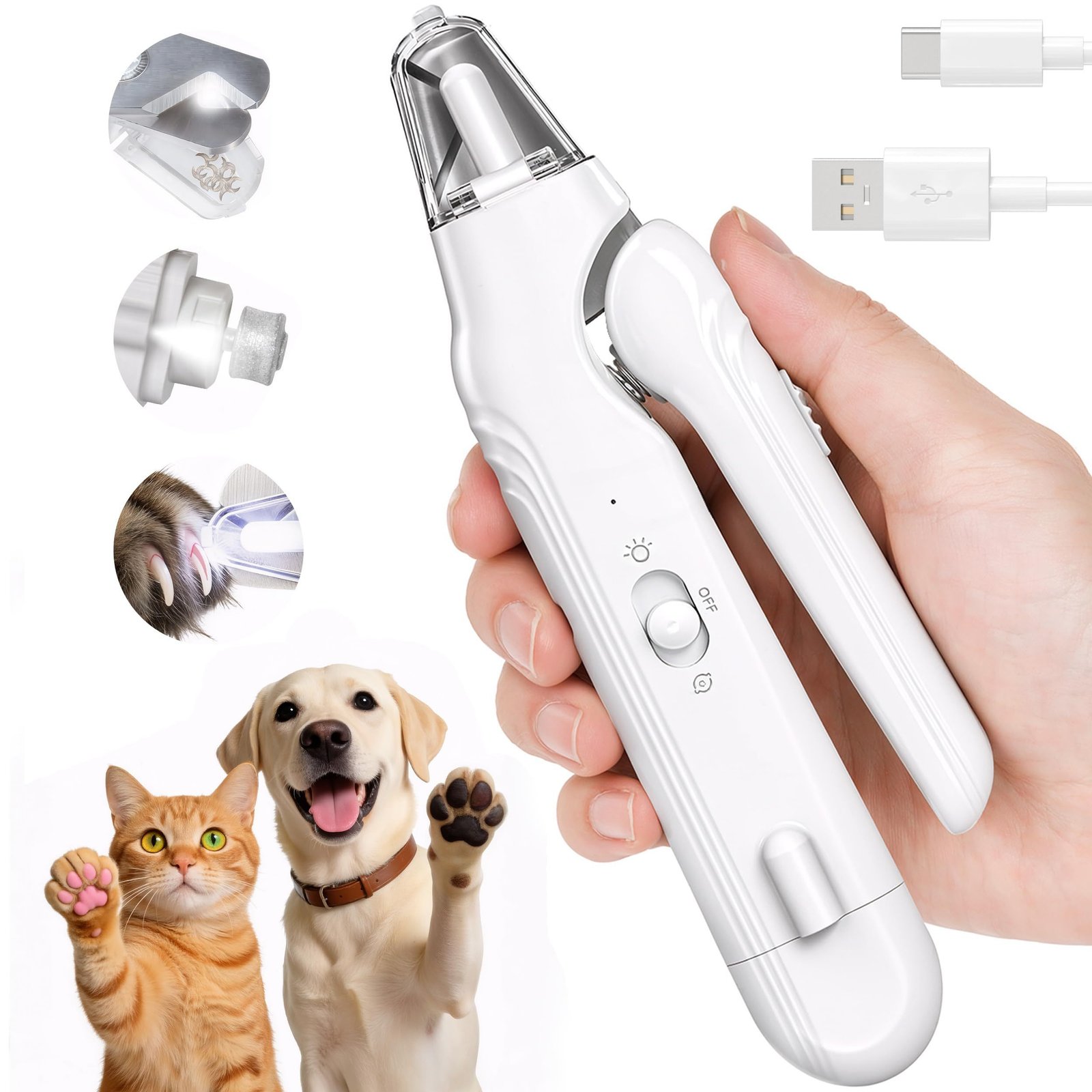
Trimming black dog nails can feel intimidating because the quick—the sensitive tissue containing nerves and blood vessels—is harder to see through a dark nail. The safest approach is not to make one confident-looking cut. It is to work calmly, remove tiny amounts and check the nail after every step.
This guide explains how to trim black dog nails safely, how to recognise when you are approaching the quick, when to use dog nail clippers or a grinder and how to help a nervous pet become comfortable with the process.
Why regular dog nail care matters
Overgrown nails can touch the floor, reduce traction and alter the way a dog places its paws. You may hear clicking on hard floors or notice nails curving towards the paw pads. Keeping nails at a comfortable length supports normal movement and prevents sharp edges from catching on fabrics or scratching skin.
Every dog grows nails at a different rate. Activity, walking surface, age and individual anatomy all matter, so there is no perfect universal schedule. Check the paws regularly rather than waiting for a fixed date. Ask a veterinarian or professional groomer to assess nails that are curling, damaged, painful or extremely overgrown.
What is the quick in a dog’s nail?
The quick is the living centre of the nail. It contains blood vessels and nerves, which is why cutting into it causes pain and bleeding. In clear nails it can often be seen as a pink area. In black or heavily pigmented nails, looking from the outside may not reveal it.
An LED light can improve your view of the nail and working area, but it cannot guarantee that the quick will become visible through every black nail. The reliable safety principle is to remove very small sections and inspect the freshly cut surface each time.
How to trim black dog nails safely
- Prepare the space. Choose a well-lit, non-slip area where your dog can stand or lie comfortably. Keep treats nearby and have styptic powder available before you begin.
- Inspect the paw. Check for split nails, swelling, redness or soreness. If anything looks painful or abnormal, stop and contact your veterinarian.
- Hold one toe gently. Move fur away from the nail and support the toe without squeezing the paw tightly.
- Start at the very tip. Clip only a thin sliver, or use the grinder briefly on the end. Never begin with a large cut simply because the nail is long.
- Look at the cut surface. As you move inward, the centre may change from dry and pale to a darker or slightly shiny central area. Stop before progressing into sensitive tissue.
- Work in short intervals. When grinding, touch the nail for only a few seconds at a time. Friction creates heat, so pause between passes.
- Reward cooperation. It is perfectly acceptable to trim one or two nails and finish the rest later. A calm partial session is more useful than forcing a complete one.
Dog nail clippers vs grinder: which is better?
| Consideration | Nail clippers | Electric nail grinder |
|---|---|---|
| Method | Removes a section in one cut | Files the nail gradually |
| Speed | Fast once the dog is comfortable | Slower and more controlled |
| Finish | Can leave a sharper edge | Rounds and smooths the edge |
| Sensation | Pressure and a clipping sound | Noise, vibration and gentle friction |
| Black nails | Use very small cuts and inspect each one | Useful for gradual removal and frequent checks |
| Best choice | Dogs comfortable with quick, clean cuts | Owners who prefer gradual shaping |
Neither method is automatically better for every pet. Some dogs dislike the vibration of a grinder but tolerate clippers. Others react to the pressure or sound of clipping and relax with gradual filing. A practical combination is to remove a small amount with clippers, then smooth the edge with a grinder.
How to use a dog nail grinder safely
Introduce a grinder before touching it to a nail. Let your dog investigate it while switched off, reward calm behaviour, then briefly turn it on at a distance. Move closer over several short sessions. This gradual process is often more important than how quiet the motor is.
- Keep long fur clear of the rotating head.
- Select the appropriate guard opening for the nail size.
- Use light pressure and brief contact rather than holding the grinder continuously on one spot.
- Shape from the underside and tip while maintaining a clear view of the nail.
- Stop if the nail feels warm, the dog becomes distressed or you are uncertain about the quick.
- Clean the tool and grinding area according to the manufacturer’s instructions.
How often should you trim a dog’s nails?
Check them every one to two weeks and trim when needed. Some dogs naturally wear their nails on hard surfaces, while indoor dogs, older pets and dogs walking mainly on grass may need more frequent care. Dewclaws require particular attention because they do not normally contact the ground.
If the nails have been long for some time, the quick may also extend further towards the tip. Removing a large amount at once is unsafe. Small, regular trims can gradually improve length while allowing you to remain conservative.
What to do if you cut the quick
Stay calm. Apply styptic powder to the nail with steady, gentle pressure and keep your dog quiet while the bleeding stops. Avoid letting the paw rub against carpets or furniture. Contact a veterinarian if bleeding is heavy, does not stop promptly, the nail is torn or your pet appears significantly distressed.
A minor accident can make future sessions more difficult, so rebuild confidence slowly. Return to paw handling, treats and very short sessions before attempting another trim.
Helping an anxious dog accept nail trims
Fear is not disobedience. Many dogs are uncomfortable because their paws are sensitive, they dislike restraint or a previous trim hurt. Break the task into small steps: touch the shoulder, move down the leg, briefly hold the paw, touch one toe with the tool switched off and reward after each calm response.
Use a non-slip surface and allow the dog to choose a comfortable position. Watch for lip licking, yawning, turning away, trembling, pulling the paw back or refusing treats. Those signals mean the session should become easier or end. A qualified force-free trainer, groomer or veterinary professional can help with persistent fear.
Frequently asked questions
Can you see the quick in black dog nails with an LED light?
Sometimes illumination improves contrast, especially in thinner or partially translucent nails, but many black nails remain opaque. Never depend on the light alone. Trim tiny amounts and inspect the cut surface after each pass.
Is a nail grinder safer than clippers?
A grinder removes nail gradually, which can give the user more opportunities to stop. It can still reach the quick or generate uncomfortable heat if used too long in one place. Both methods require correct technique.
Do nail grinders hurt dogs?
Correct grinding of the insensitive nail tip should not hurt. Excess pressure, prolonged contact, heat or contact with the quick can cause discomfort. Stop when your dog shows pain or distress.
Can I use a dog nail grinder on cats?
Only use a tool and guard suitable for the cat’s small nails. Cats may need a lower-intensity, shorter session. Ask a veterinarian or groomer for a demonstration if you are unsure.
When should a professional trim the nails?
Choose professional help for severely overgrown or curled nails, injured nails, aggressive or panicked behaviour, medical conditions affecting the paws, or whenever you cannot confidently identify a safe stopping point.
Choose a controlled trimming method
Clippers provide a quick cut while a grinder removes smaller amounts gradually. The safer choice is the method the handler can control and the dog can tolerate calmly. Good lighting helps, but dark nails still require tiny increments and frequent inspection of the cut surface. Stop if the dog struggles or if the safe boundary is uncertain.
This educational guide does not replace veterinary advice. Safety guidance was reviewed at publication; always follow the supplied instructions and choose professional grooming support when needed.