July 30, 2026
How to Remove Pet Hair from Clothes, Sofas and Cars
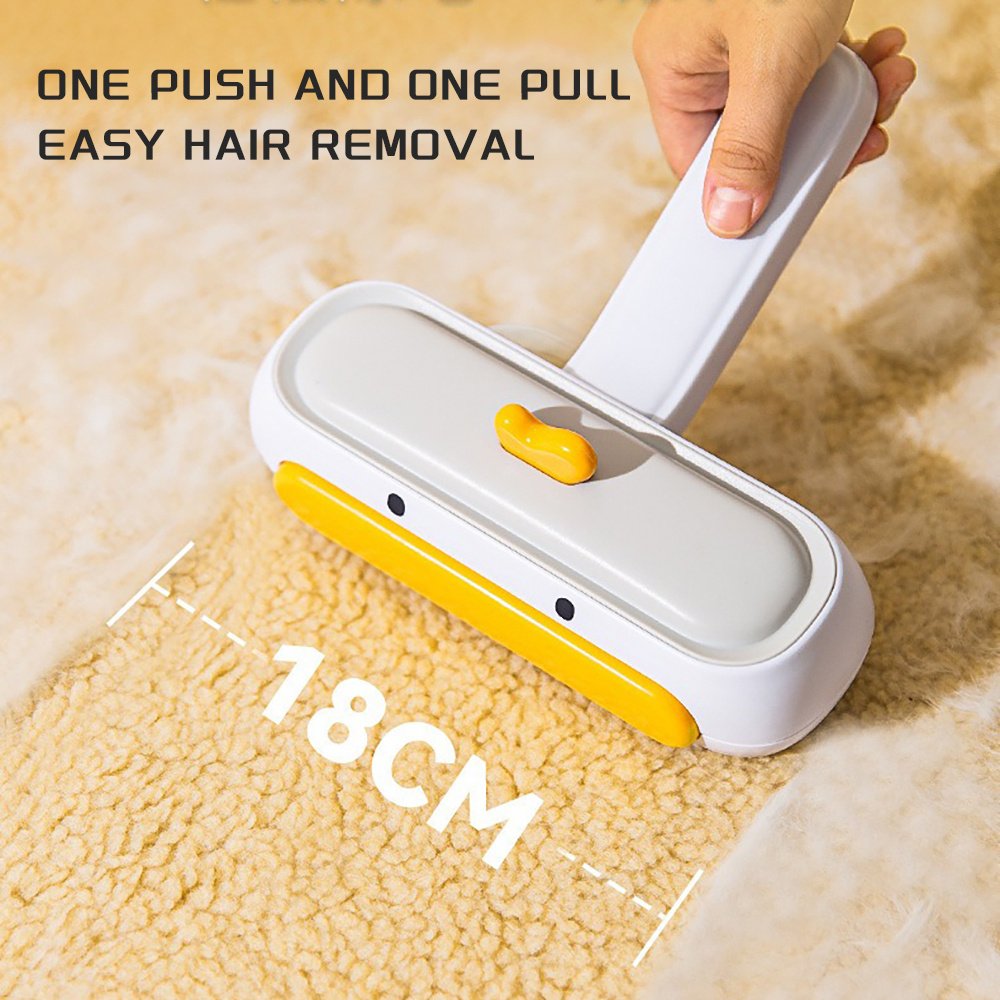
Pet hair has a habit of appearing everywhere: on a dark jumper just before you leave, across the sofa after a nap and deep in the fabric of a car seat. The solution is not one aggressive cleaning trick, but the right method for each surface.
This guide explains how to remove pet hair from clothes, sofas, bedding, carpets and car upholstery, which tools work best for quick or deep cleaning and how to reduce the amount of loose fur that reaches your home in the first place.
Why is pet hair so difficult to remove?
Loose dog and cat hair can sit on top of a smooth fabric, become caught in a woven surface or cling through static. Short, stiff hairs may work into upholstery, while fine undercoat can gather in corners and transfer from one fabric to another. That is why a vacuum may work well on a rug but leave a jumper looking almost unchanged.
The safest approach is to begin gently. Check the care label, test any tool on a hidden area and avoid forcing a scraper or rough brush across delicate fabric. Work in small sections and collect loosened fur before it settles elsewhere.
Pet-hair removal by surface: the quick answer
| Surface | Best first step | Useful follow-up |
|---|---|---|
| Clothes | Reusable lint roller or clothes brush | Wash only after removing as much dry hair as possible |
| Fabric sofa | Upholstery vacuum attachment | Reusable roller for remaining surface hair |
| Bedding | Shake outdoors where appropriate, then roll or vacuum | Launder according to the care label |
| Carpet or rug | Slow, overlapping vacuum passes | Spot-treat stubborn areas with a suitable fabric tool |
| Cloth car seats | Vacuum seams and open areas separately | Reusable roller for the visible finishing pass |
| Hard floor | Microfibre mop or suitable vacuum setting | Clean edges and skirting boards |
How to remove pet hair from clothes
1. Treat the garment while it is dry
Start before the item goes into the washing machine. Lay it flat or hang it securely and use short, controlled passes with a lint roller or clothes brush. Pay particular attention to cuffs, hems and areas that touch a pet or upholstered seat.
Removing loose hair first matters because wet fur can remain attached to fabric and move around the wash rather than disappear. Empty a reusable tool when its collection chamber fills so it can continue lifting effectively.
2. Follow the garment care label
Once the visible hair has been removed, wash the garment only as its label permits. Do not add unverified household substances or raise the temperature in an attempt to dissolve fur. Pet hair does not justify damaging the fabric, colour or finish.
3. Check the garment before putting it away
After drying by the approved method, inspect the item in good light. A final pass with a clean roller can pick up remaining fibres. Clean the washer or dryer filter according to the appliance manufacturer’s instructions, particularly after washing pet bedding.
How to remove pet hair from a sofa
Check the sofa manufacturer’s cleaning code or care instructions first. Remove cushions where possible and vacuum loose debris from seams, piping and the frame. Then vacuum the broad fabric areas slowly, using an upholstery attachment that will not scratch or pull the weave.
For hair left on the surface, move a reusable roller back and forth over a small section. Change direction if the tool is designed to collect through directional movement. Empty the chamber between sections rather than pressing harder.
A lightly damp microfibre cloth or rubber glove is sometimes used to gather surface fur, but moisture is not suitable for every textile. Test a hidden area, use very little water and stop if the fabric changes colour, texture or appearance. Never saturate upholstery.
How to get pet hair out of car seats
Begin with the vehicle parked safely and the doors open in a suitable location. Remove mats, pet covers and loose items. Vacuum the seat seams, belt anchors and gaps before cleaning the main panels; otherwise fur from the edges can return to an area you have already finished.
- Use a crevice tool around seams and seat rails.
- Vacuum the flat upholstery with slow, overlapping passes.
- Lift remaining visible hair with a reusable roller.
- Empty the collection chamber and repeat in the opposite direction if needed.
- Clean removable seat covers according to their own care labels.
Do not use sharp blades or hard scrapers on seats. They can damage cloth, leather-like finishes, stitching and integrated safety components. For leather or coated surfaces, follow the vehicle manufacturer’s care guidance rather than using a fabric roller automatically.
How to remove pet hair from bedding and blankets
Remove as much dry hair as possible before laundering. If appropriate, shake the item outdoors away from other people and neighbouring property. Lay it flat and use a roller on the areas where your pet sleeps most often, then vacuum the surrounding mattress or bed frame with a suitable attachment.
Wash pet bedding separately when its care label allows. Avoid overloading the machine, and inspect seams for damage before washing. A washable throw placed over a pet’s favourite resting area can make routine cleaning faster because the protective layer is easier to remove than an entire sofa cover.
How to remove pet hair from carpets and rugs
Vacuum slowly instead of making fast passes. Work in overlapping lines, then repeat at a right angle where the rug construction and manufacturer permit. Edges, stairs and the space beneath furniture often hold more fur than the centre of the room.
A handheld roller is most useful for small patches, stairs or a finishing pass; it is not a replacement for a suitable vacuum across a large carpet. Avoid forceful scraping, which can pull loops or damage fibres. Delicate, antique or specialist rugs should be handled according to professional care advice.
Which pet-hair removal tool should you use?
| Tool | Best for | Limitation |
|---|---|---|
| Reusable lint roller | Fast touch-ups on suitable clothing, sofas, bedding and fabric seats | Not intended for every delicate or hard surface |
| Disposable sticky roller | Small clothing areas and travel | Sheets need frequent replacement |
| Vacuum with upholstery tool | Large areas, seams and deeper cleaning | Needs the correct attachment and power setting |
| Microfibre cloth | Smooth, suitable surfaces and light deposits | Moisture can mark some fabrics |
| Pet grooming brush | Removing loose coat before it reaches the home | Must match the pet’s coat and comfort |
How to use a reusable pet-hair roller
- Test the surface. Try a discreet area first, especially on loosely woven or delicate material.
- Keep the fabric stable. Place clothing flat and hold loose upholstery taut without stretching it.
- Use short back-and-forth strokes. Let the directional surface lift the hair; excessive force should not be necessary.
- Work section by section. Overlap each cleaned area slightly so visible strips are not missed.
- Empty it regularly. Open the collection chamber over a bin and remove the gathered fur.
- Clean it correctly. Follow the product instructions. For reusable rollers, follow the maker’s cleaning method and allow every surface to dry before storage.
Create easy-clean resting places
Place washable covers on the places your pet chooses naturally rather than trying to force a completely different routine. Keep a dedicated throw for the sofa and a suitable protective cover in the car. Cleaning one removable layer is usually quicker than repeatedly deep-cleaning the surface beneath it.
Use a short, repeatable routine
A two-minute daily pass on a favourite chair can prevent a large weekly build-up. Store the appropriate tool near the problem area, empty it after use and schedule a deeper vacuum clean based on your household, pet and allergy needs.
Notice unusual shedding
Shedding varies by species, breed, coat, season and individual. However, sudden hair loss, bald patches, irritated skin or persistent overgrooming deserves professional attention. Cats Protection advises seeking veterinary guidance when a cat loses more hair than usual or develops bald or sore areas.
Common mistakes to avoid
- Washing heavily furred clothes immediately: remove loose dry hair first.
- Using one tool on every material: leather, velvet, wool and loose weaves need different care.
- Pressing harder when the tool is full: empty the chamber instead.
- Ignoring seams and edges: trapped fur can move back onto cleaned panels.
- Using sharp scrapers: they can cut fibres, stitching and coated surfaces.
- Skipping a hidden-area test: even a gentle method can affect an unfamiliar textile.
- Treating unusual hair loss as only a cleaning issue: contact a veterinarian when shedding changes unexpectedly.
Frequently asked questions
What is the fastest way to remove pet hair from clothes?
For a small dry area, a lint roller or suitable clothes brush is usually the quickest first step. Lay the garment flat, use controlled passes and inspect cuffs and hems before wearing or washing it.
Do reusable lint rollers work on pet hair?
They can be useful for visible surface hair on compatible fabrics. Results depend on the weave, how deeply the hair is embedded and the roller design. Deep deposits may need vacuuming first.
Can I use the same roller on my sofa and clothes?
Only if the product instructions include both surfaces and each material passes a hidden-area test. Empty and clean the tool between dirty upholstery and clean clothing.
How do I remove dog hair from car upholstery?
Vacuum seams and gaps first, then the main panels. Finish remaining surface fur with a compatible reusable roller. Use only manufacturer-approved methods on leather, coated materials and safety components.
Why do clothes still have pet hair after washing?
Water and movement do not guarantee that fibres caught in the weave will detach. Remove as much fur as possible while the garment is dry, follow its care label and clean appliance filters according to the manufacturer’s instructions.
How often should I remove pet hair from furniture?
There is no universal schedule. A quick daily or every-few-days pass on favourite resting spots keeps the task manageable, with a more thorough vacuum clean when needed.
Match the method to the surface
Use a slightly damp rubber glove or upholstery tool on robust fabrics, a lint brush on clothing and a vacuum attachment designed for the vehicle or furniture surface. Work from the outer edges toward one collection point. Test an inconspicuous area first, especially on delicate weaves, suede-like finishes and car headliners.
This guide provides general cleaning and pet-care information. Follow textile, appliance and vehicle manufacturer instructions. Contact a veterinarian about sudden or unusual hair loss, bald patches or irritated skin.