July 31, 2026
How to Measure a Dog for a Muzzle: Fit & Training Guide
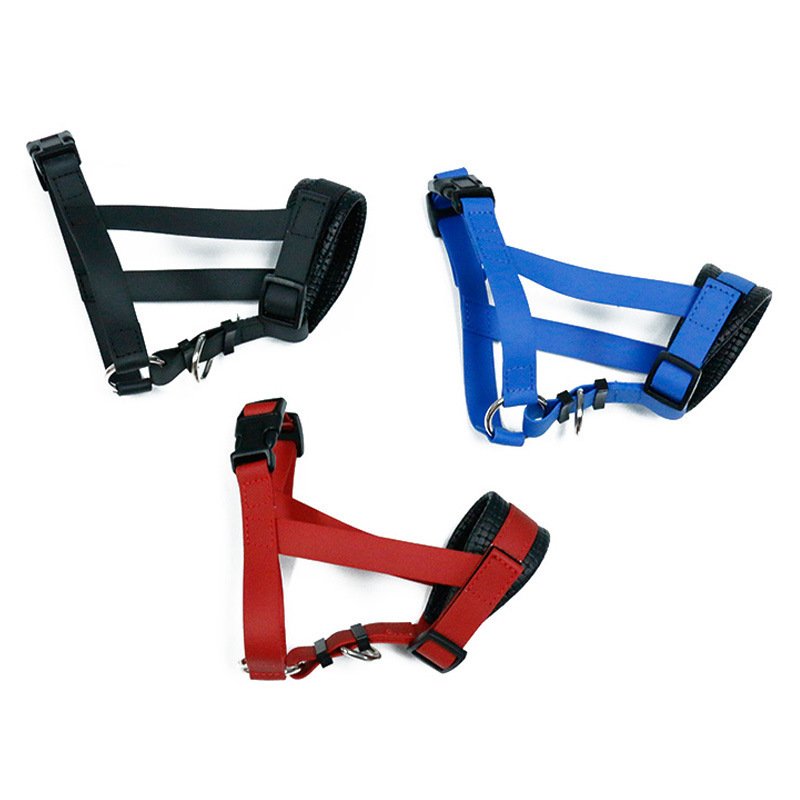
A well-fitted muzzle should stay secure without pressing the eyes, rubbing the nose or preventing the normal mouth movement permitted by that muzzle type. The label S, M or L is not enough: muzzle length, circumference and strap position all matter.
This guide explains how to measure a dog for a muzzle, how to check the fit and how to introduce it gradually. A muzzle is a safety tool, not a punishment or a substitute for training and professional support.
How to measure a dog for a muzzle: quick answer
- Measure from just below the eyes to the tip of the nose.
- Measure around the widest part of the closed muzzle.
- Check the lower-neck or head-strap measurement requested by the maker.
- Compare every number with the exact product chart.
- Allow the pant room required for the intended use.
- Test security and comfort before using it outside.
What measurements do you need?
Use a soft measuring tape while the dog is calm and standing naturally. Product charts differ, so record more information than you think you need.
- Snout length: from below the eyes to the tip of the nose, without touching the eyes.
- Snout circumference: around the widest part of the muzzle.
- Neck or head circumference: where the main strap will sit.
- Breed and weight: useful context, but never replacements for measurements.
Flat-faced dogs and dogs with unusual head shapes often need a specialist design and professional fitting.
How should a dog muzzle fit?
The muzzle must not slide into the eyes or come off when the dog moves backward. Straps should lie flat rather than twist. You should be able to place a finger beneath a fitted strap without leaving a large gap. AKC guidance stresses that a loose muzzle may come off, while an overly tight one can inhibit breathing, panting or drinking and cause chafing.
Fit also depends on purpose. A basket-style muzzle designed for walks should provide enough depth for a full pant and, where the design permits, drinking and rewards. A soft muzzle that holds the mouth closed is for very brief, controlled situations and is not suitable for exercise or extended wear.
Five fit checks before leaving home
- Make sure the front and sides do not rub the nose.
- Confirm the top edge remains clear of both eyes.
- Check the dog can make the normal mouth movement appropriate to the design.
- Gently test forward, backward and sideways movement.
- Remove it and inspect the skin after a short indoor trial.
Stop immediately for breathing difficulty, overheating, repeated pawing, skin damage, panic or vomiting. Never leave a muzzled dog unattended.
How to muzzle-train a dog positively
- Show the muzzle and reward calm investigation.
- Place food inside so the dog voluntarily puts the nose in; do not fasten it.
- Build the duration one or two seconds at a time.
- Touch and move the straps, then reward.
- Fasten briefly, release and reward before discomfort begins.
- Practise calm indoor movement before a quiet outdoor session.
Progress can take days or weeks. If the dog freezes, avoids the muzzle or tries intensely to remove it, return to an easier step. A qualified reward-based trainer can tailor the process.
When is a muzzle appropriate?
A correctly selected muzzle can add a safety layer during veterinary care, grooming, transport, scavenging management or a behaviour plan. It does not change the dog’s emotional response and should not be used to force a dog into situations it cannot handle.
A muzzle is not a tool for stopping barking, punishing growling or leaving dogs together unsupervised. Growling communicates discomfort; suppressing the warning does not resolve its cause.
Frequently asked questions
Can a dog drink while wearing a muzzle?
Many correctly fitted basket designs allow drinking, but not every product does. Verify the exact model and test access before relying on it.
Can a dog pant in a muzzle?
A dog exercising or wearing a muzzle for more than a very brief procedure needs adequate pant room. A design that holds the mouth closed is unsuitable for those uses.
How long can a dog wear a muzzle?
There is no universal time. Design, temperature, activity, pant room and the individual dog matter. Supervise continuously and remove it for distress or rubbing.
Can a dog sleep in a muzzle?
No. Do not leave a muzzled dog sleeping or unattended because the dog cannot be monitored and the equipment can catch or shift.
What if my dog is between sizes?
Ask the manufacturer or a knowledgeable professional. An overlapping circumference does not guarantee the correct length, depth or eye clearance.
Practise muzzle training before it is needed
Present the muzzle as a voluntary target and reward the dog for placing their nose inside. Build duration gradually before fastening straps, then practise calm movement at home. A suitable basket muzzle must allow a full pant, drinking and treat delivery; it should not press into the eyes or restrict breathing.
This article provides general safety information. A veterinarian or qualified behaviour professional should advise on medical, bite-risk or behaviour cases.