July 31, 2026
How to Clean a Pet Water Dispenser: Step-by-Step Guide
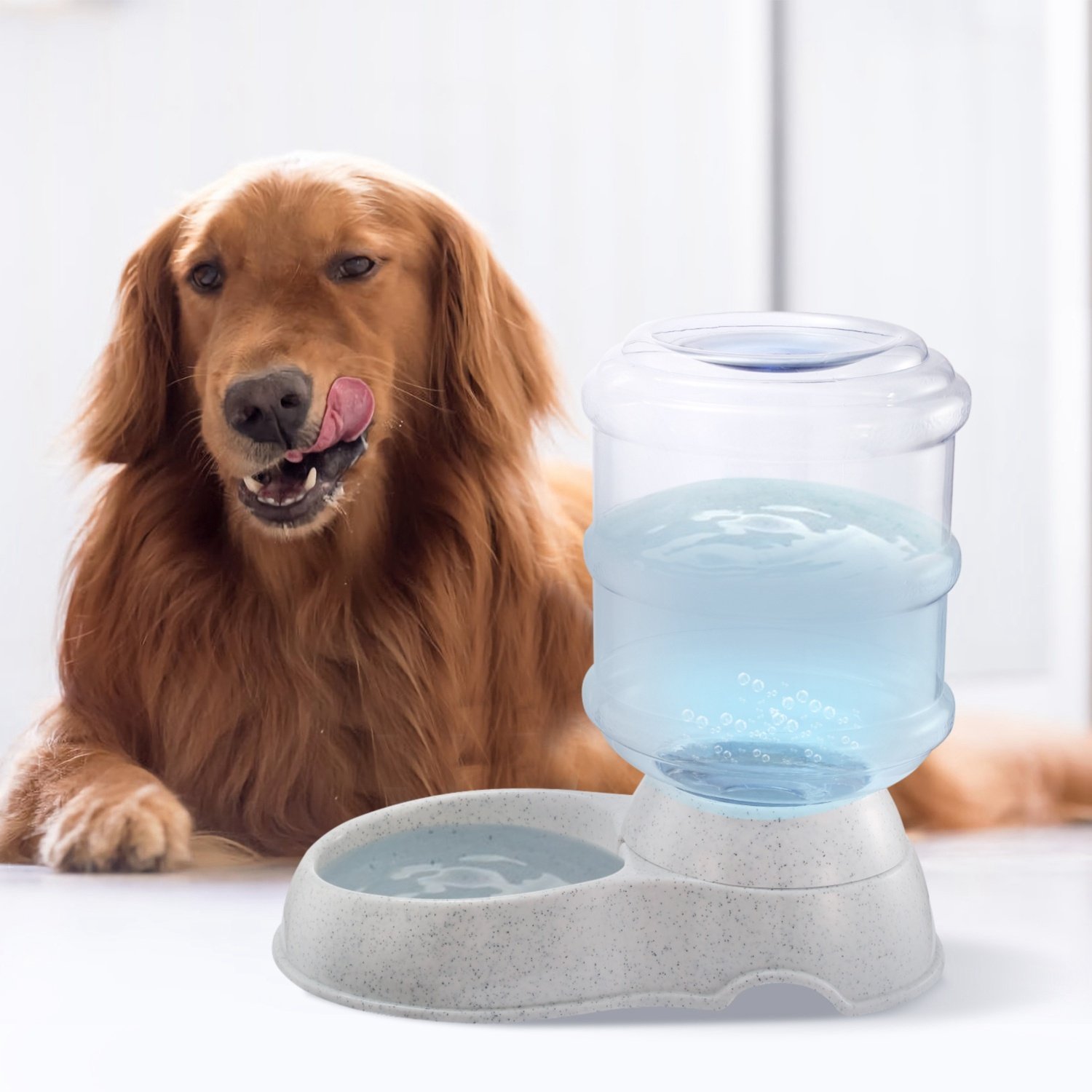
A gravity dispenser keeps water available between refills, but it does not clean the water or the surfaces that touch it. Saliva, food, dust and mineral deposits can collect in the bowl, bottle neck, seals and corners.
This guide explains how to clean a pet water dispenser, how often to do it and how to remove slippery residue without leaving detergent behind.
How to clean a pet water dispenser: quick answer
- Empty and disconnect every removable part.
- Wash the bowl and water-contact surfaces daily with warm soapy water.
- Scrub corners, the bottle neck and seals with dedicated brushes.
- Rinse until no foam, smell or residue remains.
- Air-dry or use a clean towel.
- Refill with fresh drinking water and check the flow.
How often should a pet water dispenser be cleaned?
Clean the drinking bowl and water-contact areas every day, and more often when they look dirty. The CDC recommends cleaning water bowls daily. A multi-part dispenser also needs regular full disassembly so hidden surfaces do not escape cleaning.
- Daily: replace water and wash the accessible bowl and contact surfaces.
- Several times a week or as needed: disassemble and scrub the reservoir, cap, neck, valve area and seals.
- Immediately: clean after contamination, visible slime, insects, vomit or debris.
Warm rooms, multiple pets, messy drinkers and pets that drop food into water may require more frequent cleaning.
What is the slippery film in a pet water bowl?
A slick surface can be a biofilm: microorganisms embedded in material that adheres to a surface. Do not simply top up the reservoir. Empty it, physically scrub every reachable surface, rinse and refill.
Step-by-step cleaning routine
- Wash your hands and move the dispenser away from food preparation.
- Empty it completely. Do not pour new water over old water.
- Disassemble removable pieces. Follow the maker’s instructions and note the position of seals.
- Wash with soap or detergent and warm water. Use brushes reserved for pet items.
- Scrub narrow areas. Pay attention to the reservoir opening, water channel, seams and underside of the bowl lip.
- Rinse completely. Soap residue should not remain.
- Dry and inspect. Look for cracks, cloudiness, damaged seals or trapped debris.
- Reassemble and test. Confirm stable placement and normal gravity flow before the pet drinks.
How to remove hard-water deposits
Mineral scale may appear as a white or chalky deposit. Follow the dispenser’s care instructions. If they permit a descaling solution, keep the pet away during treatment, rinse repeatedly and ensure no odour remains. Never mix cleaning products, especially bleach with acids or ammonia.
Cleaning versus disinfecting
Cleaning with soap and physical scrubbing is usually sufficient for routine care. The CDC distinguishes cleaning, which removes dirt and germs, from disinfecting, which uses chemicals to kill germs. Disinfection may be appropriate during illness or for vulnerable households, but the label, contact time and final rinse must be followed exactly.
Ask a veterinarian about precautions when a pet is ill. Do not use scented household sprays or leave disinfectant accessible to pets.
Where should a gravity water dispenser go?
- On a level, non-slip, washable surface
- Away from litter trays, toilets and cleaning chemicals
- Out of direct sun and excessive heat
- Where the pet can approach without being cornered
- Where leaks can be spotted quickly
In a multi-pet home, provide more than one water location. One large reservoir is not a substitute for choice or monitoring each pet’s intake.
Frequently asked questions
Can I just top up a pet water dispenser?
No. Topping up leaves old water and residue in place. Empty, wash, rinse and refill it regularly.
Can a gravity dispenser go in the dishwasher?
Only if the exact components are labelled dishwasher-safe. Heat can deform some plastics and seals.
Why does the water become cloudy?
Food, saliva, dust, mineral deposits or microbial growth may contribute. Replace the water and clean the whole unit; consult a veterinarian if the pet is unwell.
How long can water sit in the reservoir?
Capacity does not determine hygiene. Replace drinking water daily and sooner if warm, dirty or contaminated.
Should cats and dogs share a dispenser?
They may, but several water stations reduce competition and provide a backup. Clean shared equipment more frequently.
Set a cleaning routine that prevents biofilm
Refresh drinking water daily and wash every surface that touches it, including seams, valves and the underside of the bowl. Use a dedicated brush for narrow areas, rinse away all detergent and let the parts dry fully. Replace scratched or damaged components because rough surfaces are harder to clean reliably.
Seek veterinary advice for a sudden increase or decrease in drinking, dehydration signs or illness.