July 30, 2026
How to Choose a Dog Carrier Bag: Size, Comfort & Safety Guide
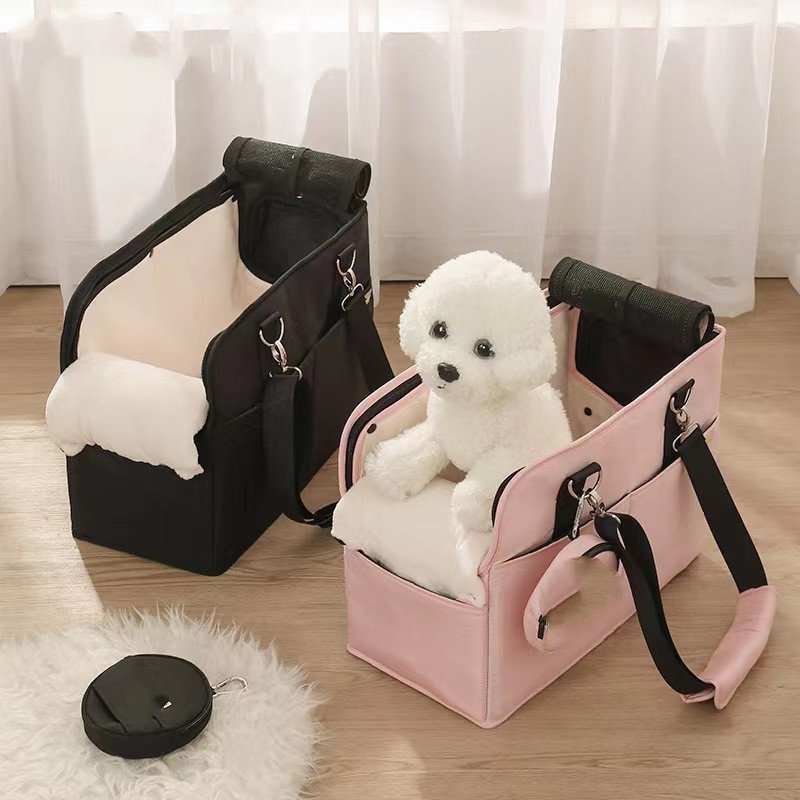
A dog carrier can make a trip to the veterinarian, a short walk through a busy area or a visit away from home easier to manage. But a stylish bag is only useful when it fits the dog, suits the journey and keeps its openings secure. This guide explains how to choose a dog carrier bag without relying on breed labels or guesswork.
The first decision is not colour or shape. It is what the carrier will be used for. A lightweight shoulder bag for a short supervised outing has different requirements from a secured vehicle crate or an airline-compliant container.
Start with the purpose of the carrier
Write down the journeys you realistically expect to make. That determines which features deserve priority.
- Everyday errands and short walks: low weight, comfortable handles, ventilation and quick access may matter most.
- Veterinary visits: secure closure, a stable base and access that does not require pulling the dog through a narrow opening are useful.
- Car journeys: the carrier or restraint must be appropriate for securing inside the vehicle.
- Air travel: the exact airline, route, aircraft and current container rules must be checked before buying.
A product suitable for one of these situations is not automatically suitable for all four.
How to measure a dog for a carrier
The American Kennel Club carrier guide recommends using the dog’s actual height and length. Measure while the dog is standing naturally:
- Length: measure from the base of the neck, where the collar rests, to the base of the tail.
- Standing height: measure from the floor to the top of the head or ears, whichever is higher.
- Width: measure across the widest part of the body.
- Natural resting space: observe the area the dog uses when lying comfortably.
Compare those measurements with the usable internal dimensions, not merely the exterior. Padding, seams and curved walls reduce available space. A dog being able to squeeze inside does not mean the carrier fits.
What does a good fit look like?
For a conventional travel container, the dog should be able to stand, turn around and lie in a natural position. IATA uses these movements as core checks when assessing containers for animal transport. A soft everyday bag may be more compact, but it must never force the dog into an uncomfortable or compressed posture.
Do not choose solely from a label such as “for Chihuahuas” or “up to small dogs.” Dogs of the same breed can have very different body lengths and heights. A published weight limit matters for structural strength, but it does not replace physical measurements.
Seven features to inspect before buying
1. Ventilation
Air must move freely around the dog. Mesh panels should remain open rather than folding against the animal or becoming blocked by blankets and luggage. Watch closely in warm weather and stop if the dog shows heavy panting, distress or overheating.
2. Secure openings
Check how every opening closes and whether a paw or nose could push through it. Zips, clips and fasteners should operate smoothly and remain closed while the bag is lifted. An open-top tote is not suitable for carrying an unrestrained dog.
3. Stable base
A base that bends sharply can make the dog feel unstable and concentrate pressure. Place the carrier on the floor, press evenly inside and check whether it keeps its shape. Padding should not hide a weak or damaged panel.
4. Comfortable straps
A wide, adjustable shoulder strap distributes weight better than a thin strap. Inspect stitching where handles and metal fittings connect to the body. Carry the loaded bag close to your body and support the base when lifting.
5. Safe interior
The inside should be free from sharp fittings, loose threads and exposed hardware. If an internal tether is present, attach it to a well-fitted harness rather than a collar and keep it short enough to prevent jumping, tangling or reaching an open edge.
6. Cleanable surfaces
Travel brings moisture, dirt and occasional accidents. Removable components are useful only when their care instructions are clear. Clean food residue and dirt promptly, then dry every layer completely before storage.
7. Storage that does not reduce dog space
Exterior pockets can hold waste bags, a lead or documents, but overfilling them may press into the interior or unbalance the carrier. Water bottles and heavy objects should be carried separately unless a pocket is designed for them.
How to introduce a dog to a carrier bag
Do not make the first experience a stressful trip. Set the carrier open on a stable floor at home and allow voluntary exploration.
- Place a familiar cloth inside without blocking ventilation.
- Reward looking at, approaching and stepping into the carrier.
- Close the opening briefly, then reopen it before the dog becomes worried.
- Lift the carrier only a few centimetres while supporting the base.
- Practise very short walks around the home.
- Increase duration gradually while monitoring body language.
Signs that the session is too difficult include frantic scratching, persistent vocalisation, escape attempts, excessive panting or refusal to approach the bag later. Go back to an easier step rather than forcing the dog inside.
Using a carrier in the car
A shoulder bag is not automatically a vehicle safety restraint. The ASPCA advises securing pets during car travel and identifies secured, ventilated hard-sided carriers as the safest option. An unsecured bag can move during braking or a collision.
The featured Pawtigo bag is not described by its supplier as crash tested or certified for vehicle restraint. Use a purpose-designed car safety product appropriate for the dog and vehicle. Never place a carrier on the driver’s lap, allow it to obstruct controls or leave a dog unattended in a parked car.
Can this dog carrier go on a plane?
Do not assume so. Airlines set their own dimensions, construction rules, ventilation requirements and booking limits, and aircraft under-seat space varies. IATA also warns that soft-sided containers can compress and block ventilation.
The Pawtigo carrier has no supplier claim of airline approval or IATA compliance. Contact the operating airline before purchasing for a flight and provide the exact exterior dimensions. Airline acceptance must be confirmed for the specific journey.
When not to use a soft carrier bag
- The dog cannot rest naturally within the usable space.
- The dog’s weight exceeds a verified structural limit, or no safe assessment can be made.
- The dog chews mesh, panics in confinement or can force the opening.
- The journey requires a crash-tested restraint or regulated flight container.
- The weather creates an overheating risk.
- Straps, seams, clips, base or mesh show damage.
Evaluate the carrier before travel
Check the internal dimensions against the dog’s standing height, body length and resting posture. Inspect seams, ventilation, fasteners and the stability of the base. Practise entering and resting in the carrier at home before travel, and use a transport solution that meets the legal and safety requirements of the journey.
Frequently asked questions
How big should a dog carrier bag be?
It should accommodate the dog’s measured length, height and width without compression. For a conventional travel container, the dog should be able to stand, turn and lie naturally.
Should I choose a carrier by weight or measurements?
Use both when the manufacturer supplies both. Weight indicates structural capacity, while measurements determine physical fit. Never invent a capacity when no certified limit is published.
Are soft dog carriers safe for cars?
Only when the specific product is designed and tested for that use and is secured exactly as instructed. A normal shoulder bag should not be treated as a crash-tested restraint.
Are all small dog carriers airline approved?
No. Approval depends on the airline, route, aircraft and current rules. Confirm requirements directly with the operating airline before travel.
How can I make my dog comfortable in a carrier?
Introduce it gradually at home, use rewards and familiar scent, practise closing and lifting for very short periods, and stop before the dog becomes distressed.