July 31, 2026
How Much Water Does a Dog Need on a Walk?
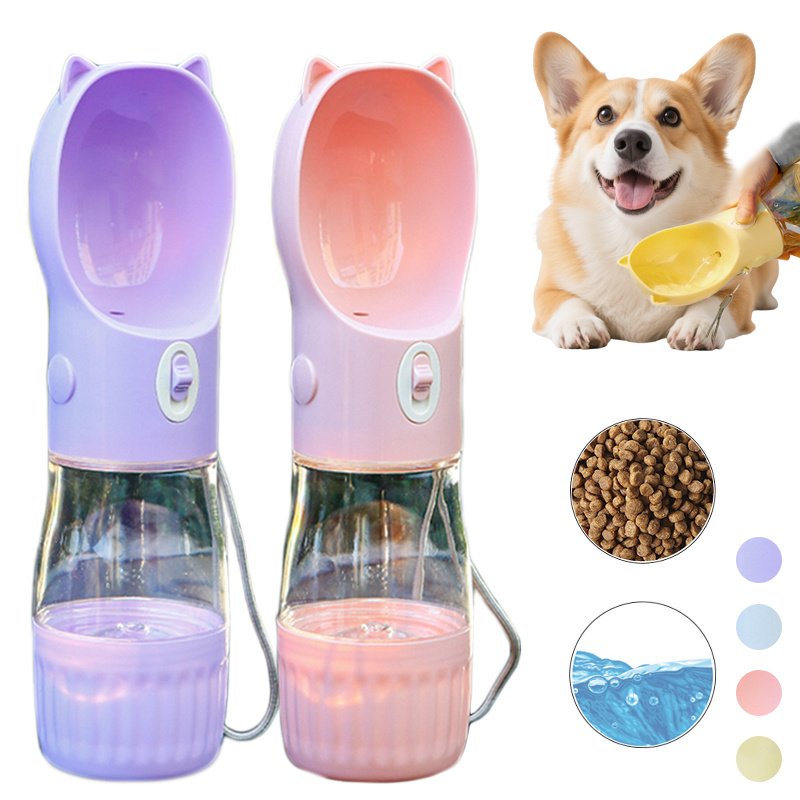
There is no single amount of water that every dog must drink during a walk. A small dog on a cool, gentle route has very different needs from a large dog hiking in warm weather. The safest plan is to carry fresh water whenever the route, temperature or distance could leave your dog without reliable access.
This guide explains how much water a dog needs on a walk, how to choose a portable bottle capacity, when to offer a drink, which warning signs mean the walk should stop and why puddles, lakes and streams are not dependable water sources.
Dog walking hydration: the quick answer
- Start the walk with a normally hydrated dog and carry fresh water from home.
- Bring more for warm weather, long routes, energetic exercise, large dogs or multiple dogs.
- Offer small drinking opportunities during breaks; do not force water.
- Never use a daily average as an exact amount a dog must finish during one walk.
- Turn back early if the bottle is running low or your dog is struggling.
- Heavy panting, weakness, confusion, vomiting or collapse require urgent action and veterinary care.
How much water does a dog normally drink?
As a broad daily reference, dogs commonly drink around 40–60 ml of water per kilogram of body weight. The American Kennel Club’s veterinary-reviewed guidance stresses that intake naturally changes with weather, exercise, diet and the individual dog.
| Dog’s weight | Broad daily reference | What it means for a walk |
|---|---|---|
| 5 kg | About 200–300 ml per day | Not an instruction to drink this amount during one walk |
| 10 kg | About 400–600 ml per day | Carry enough for conditions and a reserve |
| 20 kg | About 800–1,200 ml per day | A compact bottle may require a refill on longer outings |
| 30 kg | About 1,200–1,800 ml per day | Long routes can need a larger supply or planned refills |
These figures describe an entire day, including moisture from food. They are not a walk-time dosage. A veterinarian can advise on normal intake for a puppy, senior dog, pregnant dog or dog with kidney, heart, hormonal or other medical conditions.
When should you bring water on a dog walk?
Carry water whenever you cannot confidently guarantee safe drinking water along the route. It becomes especially important when:
- the weather is warm, humid or sunny;
- the route is longer or more strenuous than the dog’s normal walk;
- you are hiking, running, training or visiting an open park;
- your dog is very young, senior, overweight or unfit;
- your dog has a short muzzle, thick coat or health condition;
- you are walking more than one dog;
- there are no confirmed refill points;
- you may be delayed away from home.
For a brief toilet break in mild conditions, a healthy dog may not need to drink outside. Even then, fresh water should be available at home before and after the outing. When uncertain, carrying a bottle is the more flexible option.
How much water should you carry?
Plan capacity rather than trying to predict the exact number of mouthfuls. Consider the dog’s size, normal drinking pattern, route duration, expected temperature, intensity, refill availability and the amount needed to return safely if plans change.
A practical capacity check
- Start with the route. Note distance, shade, climbing and reliable taps or facilities.
- Account for your dog. Larger, more active dogs generally require more than small dogs on gentle walks.
- Add a reserve. Carry extra for delays, a missed refill or warmer conditions than forecast.
- Include every dog. One compact bottle may not be sufficient for several animals.
- Choose the safer plan. Shorten the route or carry a larger separate supply when capacity is marginal.
A 380 ml or 500 ml bottle can be convenient for everyday outings, especially for smaller dogs and routes with refill options. It should not be presented as a universal supply for a long hike, a large dog or hot conditions.
How often should you offer water during a walk?
Offer water during calm breaks and whenever your dog seeks it. Frequency depends on heat and effort, so fixed schedules can create false confidence. On a warm or demanding route, stop more often, move into shade and assess the dog rather than waiting until obvious thirst appears.
Dispense a small amount first to reduce waste and let the dog choose whether to drink. Never pour water into the mouth or force a dog that refuses. Persistent refusal combined with lethargy, vomiting, pain or abnormal behaviour needs veterinary advice.
How to teach a dog to drink from a portable bottle
- Practise at home. Fill the bottle with normal fresh water and introduce its drinking area in a quiet place.
- Use a familiar cue. Offer it at a time your dog would normally approach the household bowl.
- Keep it stable. Hold the drinking surface low enough for a natural head and neck position.
- Allow investigation. Do not push the container toward the dog’s face.
- Reward calm interest. Gentle praise is enough; avoid adding salty food to create thirst.
- Repeat on a short walk. Practise before relying on the bottle for a long route.
Some dogs prefer a wider bowl. If your dog will not use an integrated drinking design, carry a collapsible bowl and separate bottle instead. The best system is the one your dog reliably uses and you can clean thoroughly.
Signs of dehydration in dogs
Possible signs include dry or sticky gums, reduced energy, weakness, sunken-looking eyes and loss of normal skin elasticity. These signs are not a home diagnosis, and checking the skin alone is unreliable in some dogs.
The AKC’s guide to canine dehydration explains that water loss can become serious and affect circulation and organ function. Contact a veterinarian promptly if your dog cannot keep water down, has persistent diarrhoea or vomiting, refuses water while unwell or shows concerning changes in behaviour.
Dehydration vs heatstroke: know when to stop
Water is important, but carrying a bottle does not make strenuous exercise safe in excessive heat. Shorten, postpone or move the walk to a cooler time rather than relying on extra water to compensate.
Early overheating signs can include heavy panting, seeking shade, drooling, whining or reluctance to continue. According to Cornell University’s canine heat-safety guidance, continued excessive panting, breathing difficulty, vomiting, weakness, confusion, seizures or collapse can indicate heatstroke, a life-threatening emergency.
Move the dog to a cool area, begin cooling with cool—not ice-cold—water and contact an emergency veterinarian immediately. Do not wait for a dog to finish a walk or assume drinking alone will correct heatstroke.
Can dogs drink from puddles, lakes or streams?
Natural-looking water is not automatically safe. Puddles and outdoor water can contain bacteria, parasites, chemicals or animal waste. Lakes and rivers may also contain harmful cyanobacterial blooms that are not always obvious.
The CDC warns that harmful algal blooms can make pets seriously ill and advises keeping animals away from water that looks discoloured, foamy, scummy or smells bad. Bringing fresh water reduces the temptation to rely on an uncertain source.
Salt water is not a drinking source either. Prevent repeated swallowing at the beach and offer fresh water. Contact a veterinarian if a dog becomes unwell after drinking from any outdoor source.
How to choose a portable dog water bottle
| Feature | Why it matters | What to check |
|---|---|---|
| Capacity | It must cover the planned route plus a reserve | Dog size, weather, duration and refill points |
| Drinking shape | Your dog needs to lap comfortably | Width, depth and natural head position |
| Closure | Leaks reduce the available supply | Close and invert it at home before packing |
| Portability | A useful bottle must be easy to carry | Weight when full, strap and bag fit |
| Cleaning | Moisture and saliva contact require hygiene | Accessible surfaces and complete drying |
| Material condition | Cracks can trap residue or cause leaks | Inspect before every outing and replace damage |
How to clean a portable dog water bottle
- Discard leftover water after the outing rather than repeatedly topping it up.
- Separate removable parts according to the product instructions.
- Wash the bottle and drinking area with warm water and suitable dish soap.
- Rinse thoroughly, including seals, corners and drinking grooves.
- Leave every component open until completely dry.
- Check for odour, residue, cracks, damaged seals or leaks before refilling.
Do not assume every plastic bottle is dishwasher-safe. Follow the specific care instructions and avoid leaving a filled bottle in a hot car.
Common dog-walking hydration mistakes
- Waiting for obvious distress: plan breaks before the dog is struggling.
- Carrying water but no usable bowl: practise with the drinking system first.
- Using one small bottle for several dogs: calculate capacity for the full group.
- Relying on a stream or public bowl: availability and water quality can change.
- Exercising through extreme heat: water cannot eliminate heatstroke risk.
- Forcing large amounts quickly: offer calm opportunities rather than pouring water into the mouth.
- Ignoring a major change in thirst: drinking much more or less than usual can need veterinary assessment.
Frequently asked questions
Should I carry water every time I walk my dog?
Not every brief outing in mild weather requires an outdoor drink, but carrying water is sensible whenever the walk is longer, warmer, more active or away from dependable fresh water. It also provides a reserve if plans change.
Is 500 ml enough water for a dog walk?
It may be enough for some dogs and everyday routes, but not for every situation. A large dog, multiple dogs, hot weather or a long hike can require a larger supply and planned refill points.
Should dogs drink before or after a walk?
Dogs should have normal access to fresh water at home. Offer opportunities during and after exercise as appropriate, without forcing a large volume at once. Ask your veterinarian about restrictions for an individual medical condition.
Why will my dog not drink on walks?
The container may be unfamiliar, unstable or uncomfortable. Practise at home and try a wider collapsible bowl if needed. Refusing water while otherwise comfortable differs from refusing water alongside illness or heat distress.
Can a dog drink too much water?
Excessive intake can be dangerous, and a persistent increase in thirst may indicate illness. Never deliberately restrict access without veterinary direction; instead, record the change and contact your veterinarian.
What water temperature is best?
Clean, fresh water at a comfortable temperature is appropriate. Avoid assuming ice-cold water will make an unsafe hot-weather walk acceptable, and never leave the bottle heating inside a vehicle.
Plan water around the whole route
Carry more than the estimated minimum when the weather is warm, the route lacks refill points or more than one dog is walking. Offer small opportunities to drink during rest stops rather than waiting for intense thirst. Water does not make dangerous heat safe: shorten or postpone the walk when conditions are unsuitable.
This article provides general educational information and does not replace veterinary advice for an individual dog. Heatstroke and severe dehydration require urgent veterinary care.