September 29, 2026
Dog Diarrhea: When Should You Call the Vet?
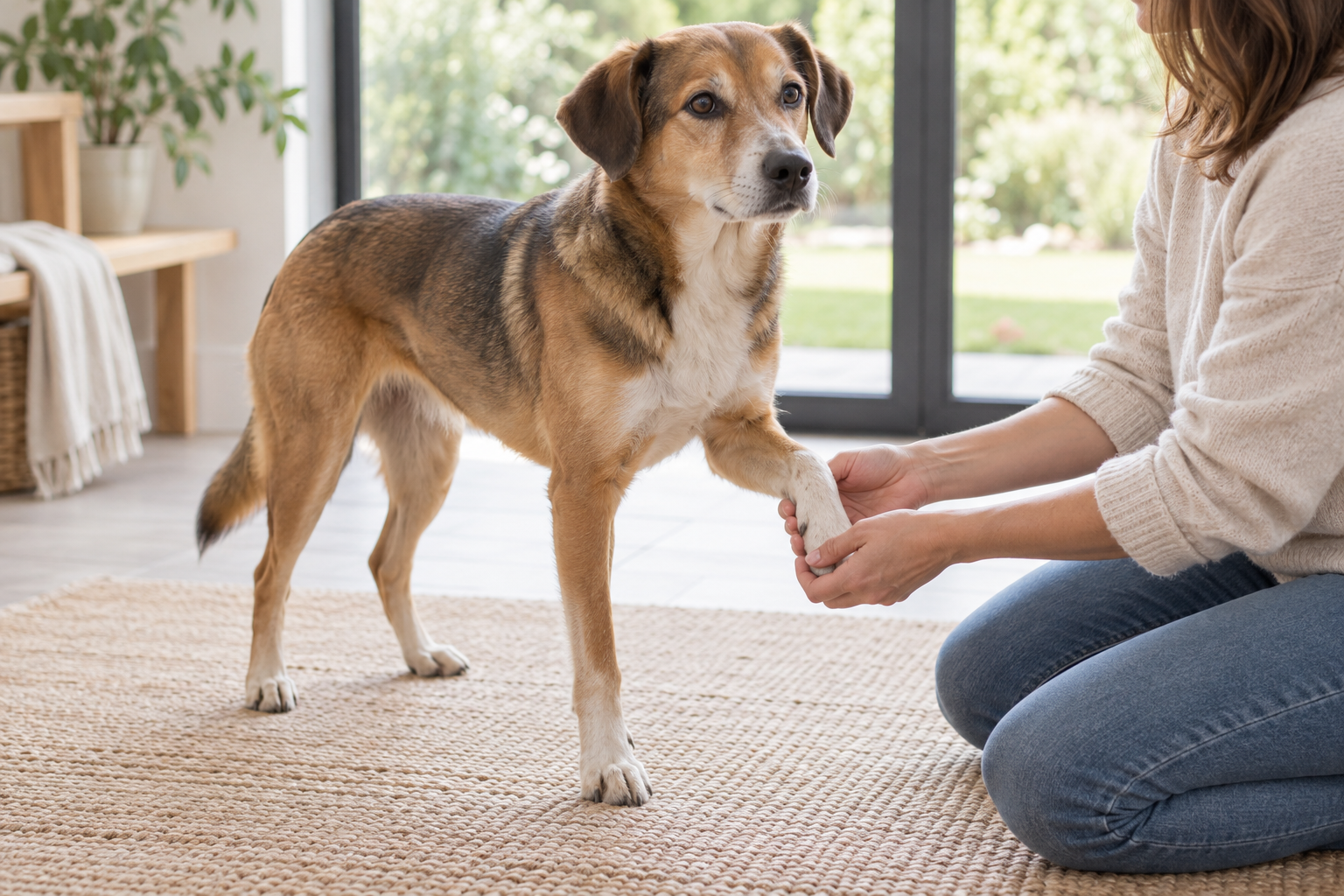
One loose stool in an otherwise bright adult dog is different from repeated diarrhoea in a puppy, senior dog or unwell animal.
Look at the whole dog, not one sign in isolation. Note when the change began, what else changed and whether normal eating, drinking, movement and toileting continue.
What this sign can mean
The same visible behaviour can have several explanations. Context, duration and accompanying changes help a veterinary professional narrow the possibilities; an online description cannot confirm the cause.
- A sudden food change, scavenging or rich treats
- Parasites, infection or inflammation of the digestive tract
- Stress associated with travel, boarding or routine change
- Medication effects or toxin exposure
- A foreign object, pancreatic disease or another systemic illness
What to observe before calling the vet
A short, factual record is more useful than trying several remedies. If it is safe, collect the following information without restraining or repeatedly testing your pet.
- Frequency, volume, colour and presence of fresh blood or black stool
- Vomiting, appetite, drinking, energy and abdominal discomfort
- Everything eaten during the previous 48 hours
- Medication, parasite prevention and vaccination history
- Hydration clues such as tacky gums or reduced urination
What you can do right now
- Keep clean water available and prevent access to scraps
- Save a fresh stool sample if the clinic requests one
- Write down frequency and photograph unusual stool
- Avoid human anti-diarrhoeal medicine unless a veterinarian directs it
Do not give human medication, use leftover prescriptions or force food and water. Those steps can obscure symptoms or create a second problem.
When to arrange a veterinary appointment
Call the clinic when diarrhoea repeats, lasts beyond a day, keeps returning or affects a puppy, senior dog or dog with another condition. Earlier advice is appropriate whenever you are worried.
Seek urgent care for repeated vomiting, weakness, collapse, a swollen painful abdomen, substantial blood, black tarry stool, suspected toxin or foreign-object ingestion, or inability to keep water down.
A useful 24-hour record
Write down the time of each episode, meals, water, urine, stool, sleep, activity and medication. Take clear photographs or short videos when doing so does not delay urgent care. In a multi-pet home, separate observation periods may be necessary to identify which animal ate or used the litter area.
Patterns matter: a single event after a clear trigger differs from a change that repeats, intensifies or appears alongside appetite, weight, breathing, mobility or personality changes. Your veterinary team can also tell you whether monitoring is reasonable or an examination is needed sooner.
Frequently asked questions
Should I fast my dog?
Blanket fasting advice is not appropriate for every dog, especially puppies and animals with medical conditions. Ask the veterinary team what to feed.
Can I give human medicine?
No medicine should be improvised. Some products are unsafe or may mask a worsening problem.
Why bring a stool sample?
A properly collected fresh sample can help the clinic investigate parasites and other causes.
Reliable reference
This guide was prepared as general education and reviewed against veterinary reference material. Read the supporting source: veterinary guidance used for this topic.
This article does not diagnose or replace examination by a veterinarian. When symptoms are sudden, severe or worsening, contact a veterinary professional.