July 30, 2026
Dog Car Seat for Small Dogs: Fit, Setup and Safety Guide
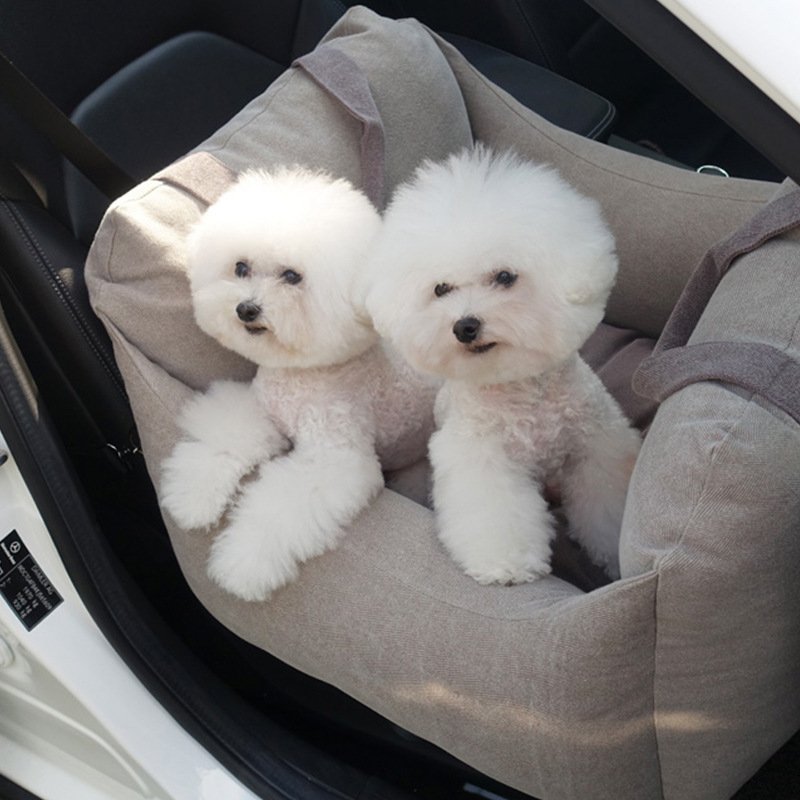
A good car setup gives a small dog enough room to settle without allowing them to wander around the cabin. The difficult part is that “dog car seat” can describe everything from a padded travel bed to a crash-tested carrier—and those products do not offer the same protection.
This guide explains how to choose a dog car seat for small dogs, measure for the right fit, set it up in the back seat and understand the difference between comfort, containment and verified crash protection.
Does a small dog need a car seat?
A dedicated seat can give a small dog a predictable place to rest, help contain dirt and reduce movement that distracts the driver. Raised or basket-style seats may also help some dogs see their surroundings, although a better view is not a substitute for an appropriate restraint.
The American Kennel Club recommends properly restraining dogs in vehicles and introducing restraint equipment before travelling. A loose dog can interfere with driving, escape when a door opens or be thrown during sudden braking.
Dog car seat, carrier or harness: what is the difference?
| Option | Primary purpose | What to verify |
|---|---|---|
| Basket or booster seat | Comfort, positioning and everyday containment | Seat attachment, internal dimensions and harness-compatible tether |
| Enclosed carrier | Containment in a portable enclosure | Vehicle attachment, ventilation, door security and crash-test evidence |
| Vehicle harness | Body-worn restraint connected to the vehicle | Correct sizing, approved attachment method and independent testing |
| Travel crate | Structured containment for suitable vehicles | Correct size, secure anchoring and verified test performance |
A soft dog car seat can be a comfortable part of the setup without being the safety restraint itself. If a manufacturer does not provide evidence of crash testing, do not assume that padding, a tether or the word “safety” makes the product crash-protective. The Center for Pet Safety publishes independently certified travel products for owners who need verified crash-protection information.
How to choose a dog car seat for a small dog
1. Measure your dog’s resting space
Measure from the chest to the base of the tail while your dog is standing, then measure the space occupied when they curl up naturally. Add enough room to turn and settle. Weight limits are useful, but body length and shape often determine comfort more accurately.
2. Measure the vehicle seat
Check the width and depth of the intended rear seating position. Note the location of seat-belt buckles, headrests and anchor points. The dog seat should sit flat without covering controls or forcing a neighbouring passenger into an unsafe position.
3. Check how the seat attaches
Look for clear installation instructions and attachment straps that match your vehicle. A travel seat should not slide forward, tip sideways or lift away from the seat during ordinary braking. Recheck strap tension after the first short journey.
4. Look for harness compatibility
If the product includes an internal tether, connect it only as the manufacturer directs and only to a well-fitted body harness—not a neck collar. Keep the connection short enough to prevent climbing out but long enough for a natural sitting or lying position.
5. Consider airflow and cleaning
Mesh panels can improve ventilation around a small dog, while washable fabric makes muddy paws, hair and occasional travel sickness easier to manage. Check whether the entire seat or only a removable liner can be washed.
6. Be realistic about your dog’s behaviour
A calm dog who curls up may be comfortable in a soft basket seat. A dog who chews straps, panics, lunges or repeatedly climbs out may need a different restraint system and gradual behaviour work before a longer journey.
How to install a dog car seat
- Choose the rear seat. Keep pets away from the driver and active front airbags unless the vehicle and restraint manufacturer explicitly state otherwise.
- Read both manuals. Follow the dog-seat instructions and the vehicle owner’s manual for belts, anchors and airbags.
- Place the base flat. Remove objects underneath it and make sure it does not rock or overhang excessively.
- Attach every vehicle strap. Route straps exactly as shown and tighten them evenly.
- Add the dog’s harness. Check the harness fit before connecting any compatible tether or restraint.
- Test without driving. Gently move the seat in every direction and confirm that buckles remain accessible and locked.
- Begin with a short journey. Watch how your dog sits, turns and lies down before attempting a long trip.
How to help a dog get comfortable in a car seat
Introduce the seat indoors first. Let your dog investigate it, reward calm interaction and practise resting inside without fastening anything. Move it to the stationary car for another short session, then try a journey of only a few minutes.
Increase duration gradually. Drive smoothly, keep the cabin cool and stop before your dog becomes distressed. Panting, drooling, repeated yawning, whining or vomiting can indicate anxiety or motion sickness; a veterinarian can help determine the cause.
Common dog car-seat mistakes
- Buying by weight alone: two dogs of the same weight can need very different resting dimensions.
- Clipping a tether to a collar: sudden force on the neck can cause injury.
- Assuming all seats are crash-tested: comfort features are not proof of crash performance.
- Using the front seat: airbags and proximity to the driver create additional risks.
- Allowing too much tether length: the dog may climb out or become tangled.
- Skipping installation checks: straps can loosen as materials settle.
- Leaving a dog in a parked car: cabin temperature can become dangerous rapidly.
Dog car-seat sizing checklist
- Dog’s standing body length
- Natural curled-up resting footprint
- Seat interior length and width
- Seat exterior footprint
- Vehicle seat width and depth
- Product weight limit
- Harness and tether compatibility
- Space to sit, turn and lie down
For a 52 × 52 cm travel seat, mark that square on the floor with removable tape and invite your dog to settle inside it. This simple check gives a more useful impression of fit than a breed label alone.
Frequently asked questions
Are dog booster seats safe?
They can improve positioning and reduce roaming, but protection varies widely. Look for independent crash-test evidence if collision protection is your priority. Otherwise treat a soft booster as a comfort and containment product used alongside an appropriate restraint.
Should a dog car seat go in the front or back?
The rear seat is generally the more appropriate location because it keeps the dog away from the driver and front airbags. Always follow your vehicle manual and the restraint manufacturer’s instructions.
Can I attach the seat tether to my dog’s collar?
No. A travel tether should connect to a correctly fitted body harness when the product instructions permit it. Attaching it to a neck collar can concentrate force on the throat and neck.
What size car seat does my dog need?
Use the manufacturer’s weight limit, but also compare the internal dimensions with your dog’s natural sitting and lying measurements. Your dog should be able to turn and settle without being compressed.
How do I wash a dog car seat?
Follow its care label. Remove loose hair first, hand-wash or machine-wash only the approved parts and allow everything to dry completely before reinstalling it.
Separate comfort from crash protection
A soft seat or basket may help define a resting space, but comfort alone does not demonstrate crash protection. Choose and install a restraint appropriate to the dog, vehicle and current local rules. Keep the dog away from active airbag zones and practise short stationary sessions before travelling.
This guide provides general travel information. Vehicle laws and restraint requirements vary by location; consult current local rules, your vehicle manual and the product manufacturer’s instructions.