July 30, 2026
Do Cats Like Enclosed Beds? Cat Cave Sizing & Placement Guide
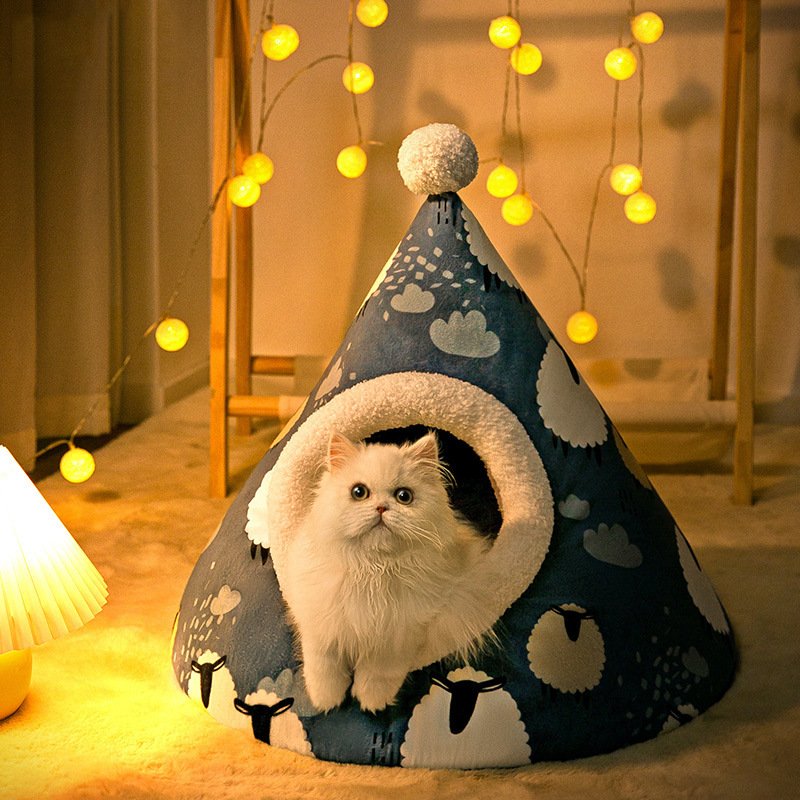
Some cats disappear into cardboard boxes. Others sleep in the middle of the sofa as if they own it. That difference raises a common question for pet parents: do cats like enclosed beds, and is a cat cave better than an open cushion?
The honest answer is that cats have individual preferences. Many enjoy covered resting spaces because they offer privacy and reduce activity on several sides, while others prefer an open bed, a high shelf or a familiar chair. The best choice is not the most elaborate bed. It is the one that suits your cat’s sleeping style, body size and preferred location.
Why do cats choose enclosed sleeping spaces?
Rest is a vulnerable time for any animal. A covered bed can create a defined retreat with one obvious entrance, helping a cat monitor what approaches while remaining partially concealed. Cats Protection explains that hiding is normal feline behaviour and that cats often seek hidden, safe places when sleeping or when they want time alone.
An enclosed bed may be especially appealing when it is:
- Placed in a quiet, low-traffic area
- Warm without being next to direct heat
- Easy to enter and leave
- Away from food, water and litter trays
- Free from strong fragrances and unfamiliar noise
The bed itself is only part of the equation. A premium cat cave placed beside a washing machine may be ignored, while a simple covered bed in a calm corner becomes a favourite.
Cat cave, open bed or elevated perch?
There is no universally correct bed type. Observe where and how your cat already sleeps before buying.
Choose an enclosed cat cave when your cat:
- Frequently sleeps in boxes, cupboards or under blankets
- Looks for quiet spaces away from visitors or household activity
- Curls into a compact position while resting
- Enjoys soft, sheltered surfaces
Choose an open bed when your cat:
- Usually stretches out fully
- Prefers seeing the entire room
- Dislikes fabric touching its back or sides
- Often sleeps in warmer parts of the home
Offer an elevated option when your cat:
- Regularly chooses shelves, window ledges or furniture backs
- Wants distance from children, dogs or household traffic
- Appears calmer when observing the room from above
Many cats use several resting places throughout the day. Providing a cave does not mean removing their open cushion or favourite perch.
How to choose the right cat cave bed size
A cave should feel sheltered, not cramped. Measure your cat while naturally curled up, then allow enough space to turn around and settle without pressing tightly against every wall. Also check the entrance height and width, particularly for broad, long-haired, older or less mobile cats.
| Bed size | Outer dimensions | Best considered for |
|---|---|---|
| Small | 38 × 38 × 43 cm | Smaller cats that sleep tightly curled |
| Medium | 45 × 45 × 50 cm | Average cats that want a little turning room |
| Large | 50 × 50 × 60 cm | Larger cats or cats that prefer more space |
These are practical starting points, not weight guarantees. Compare the dimensions with your cat and with a bed, box or sleeping area they already use comfortably. When between sizes, the larger option is usually the more flexible choice.
Where should you put an enclosed cat bed?
Choose a stable, dry surface where your cat already spends time. The Ohio State Indoor Pet Initiative recommends quiet, secure resting areas and respecting a cat’s need for privacy.
Good locations can include a bedroom corner, the quiet side of a living room, a home office or a protected space near existing furniture. Avoid doorways, busy corridors, draughts, loud appliances and anywhere another animal can block the entrance.
Do not place the cave directly against a radiator, heater or open flame. Enclosed shapes can retain warmth, so your cat must always be able to exit and choose a cooler location.
How to help your cat accept a new bed
Cats rely heavily on scent. A brand-new bed may smell unfamiliar even when it feels soft. Put a small blanket or clean cloth carrying your cat’s scent inside, then leave the cave in place long enough for your cat to investigate on their own.
- Position it near an existing favourite resting area.
- Add a familiar-smelling cloth or blanket.
- Keep the entrance clear and visible.
- Allow voluntary exploration without lifting the cat inside.
- Reward calm investigation with gentle praise or a treat nearby.
Avoid moving the bed repeatedly during the first few days. Consistency helps it become part of the territory. Cats Protection also notes that familiar scent can encourage cats to use a new sleeping space.
Enclosed beds in multi-cat homes
One cave should not become a resource that cats must compete over. Provide each cat with access to a safe resting place and distribute those options around the home. Two beds placed side by side may still feel like one guarded resource, so separate locations are often more useful.
Watch for subtle blocking: one cat sitting near the entrance, staring, chasing another away or occupying the only route to the bed. A retreat is only secure when the cat can enter and leave without confrontation.
Cleaning and safety checks
Follow the product’s care label because materials and internal structure vary. Remove loose fur regularly and address spills promptly with a method suitable for the fabric. Strongly perfumed cleaning products may make the bed less appealing.
Inspect seams, fibres and the structure of the entrance. Stop using the bed if stuffing becomes accessible, the frame collapses or your cat chews and swallows material. Older cats may also need a low, wide entrance and a non-slip surface beneath the bed.
When hiding may mean something more
Using a cave for normal sleep is not usually concerning. A sudden increase in hiding, particularly with reduced appetite, unusual posture, vocalisation, toileting changes or low energy, can indicate stress or illness. Contact a veterinarian when the behaviour is new, persistent or accompanied by other symptoms. The Cats Protection guide to hiding behaviour provides additional signs to watch.
Offer choice rather than one perfect bed
Provide at least one enclosed resting place and one open option in quiet, accessible locations. Observe whether the cat prefers warmth, elevation, firm support or room to stretch. Wash bedding with a mild unscented product and avoid moving every familiar resting place at the same time.
Frequently asked questions
Do all cats like enclosed beds?
No. Many cats enjoy the privacy of a cave, but others prefer open or elevated beds. Existing sleeping habits are the best guide.
Should a cat cave be tight?
It should feel sheltered but still allow your cat to enter, turn around and leave comfortably. A tight entrance or compressed posture means the size is unsuitable.
Where is the best place for a cat cave?
Use a quiet, dry, stable location away from litter trays, food, loud appliances, draughts and direct heat. The cat should have an unobstructed exit.
How long does it take a cat to use a new bed?
Some investigate immediately; others need days or weeks. Use familiar scent, keep the location consistent and never force the cat inside.
Can two cats share one enclosed bed?
Even closely bonded cats should have additional resting choices. Separate safe spaces reduce competition and let each cat withdraw when needed.