September 29, 2026
Why Is My Cat Drooling?
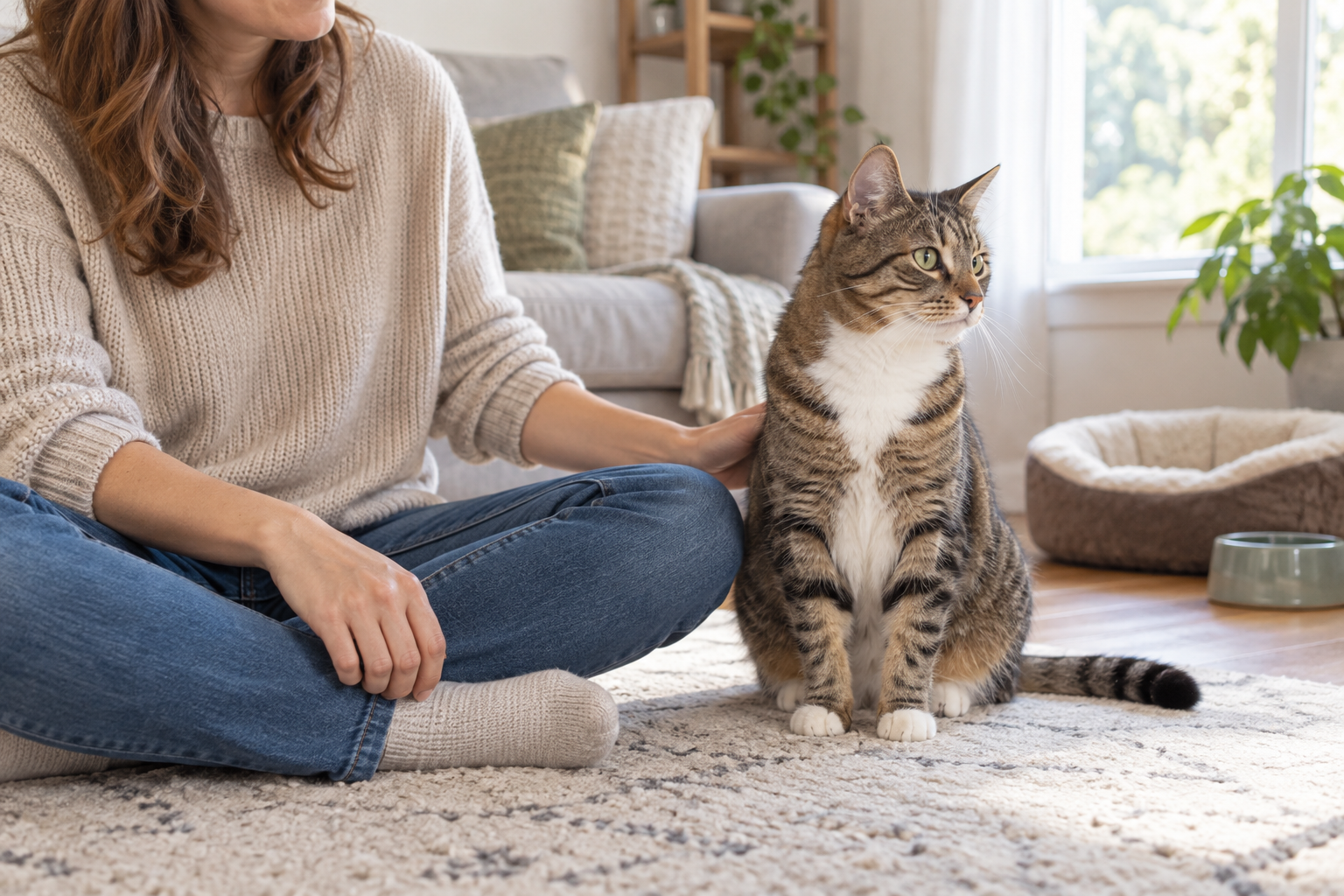
Some cats release a small amount of saliva when deeply relaxed, but new, heavy or persistent drooling is not something to dismiss.
Look at the whole cat, not one sign in isolation. Note when the change began, what else changed and whether normal eating, drinking, movement and toileting continue.
What this sign can mean
The same visible behaviour can have several explanations. Context, duration and accompanying changes help a veterinary professional narrow the possibilities; an online description cannot confirm the cause.
- Dental disease, mouth inflammation or a painful tooth
- A foreign object or injury in the mouth
- Nausea associated with digestive or systemic illness
- Exposure to an irritating plant, chemical or medication
- Stress, travel or occasionally intense relaxation
What to observe before calling the vet
A short, factual record is more useful than trying several remedies. If it is safe, collect the following information without restraining or repeatedly testing your pet.
- Amount, duration and whether saliva is clear, bloody or foul smelling
- Bad breath, pawing at the mouth, dropped food or difficulty swallowing
- Vomiting, hiding, appetite and weight change
- Recent plants, cleaners, flea products or medication exposure
- Whether drooling occurs only in one predictable relaxed context
What you can do right now
- Keep the cat away from suspected substances and retain the packaging
- Offer access to water without forcing food or drink
- Do not force the mouth open or pull on visible string
- Contact the clinic and describe all possible exposures
Do not give human medication, use leftover prescriptions or force food and water. Those steps can obscure symptoms or create a second problem.
When to arrange a veterinary appointment
Arrange an examination for unexplained, recurrent or persistent drooling, especially with bad breath, eating changes, facial swelling or signs of nausea.
Seek urgent care for breathing or swallowing difficulty, suspected toxin or chemical contact, collapse, severe mouth injury, bleeding or string emerging from the mouth.
A useful 24-hour record
Write down the time of each episode, meals, water, urine, stool, sleep, activity and medication. Take clear photographs or short videos when doing so does not delay urgent care. In a multi-pet home, separate observation periods may be necessary to identify which animal ate or used the litter area.
Patterns matter: a single event after a clear trigger differs from a change that repeats, intensifies or appears alongside appetite, weight, breathing, mobility or personality changes. Your veterinary team can also tell you whether monitoring is reasonable or an examination is needed sooner.
Frequently asked questions
Is drooling while purring normal?
A small, consistent amount in an otherwise normal relaxed cat can occur. A new pattern still deserves attention.
Can dental disease cause drooling?
Yes. Oral pain may also cause cautious chewing, dropped food, bad breath or pawing at the face.
Should I pull out a thread?
No. String can be anchored under the tongue or extend into the digestive tract; pulling can cause serious injury.
Reliable reference
This guide was prepared as general education and reviewed against veterinary reference material. Read the supporting source: veterinary guidance used for this topic.
This article does not diagnose or replace examination by a veterinarian. When symptoms are sudden, severe or worsening, contact a veterinary professional.