September 29, 2026
How Much Sleep Does a Puppy Need?
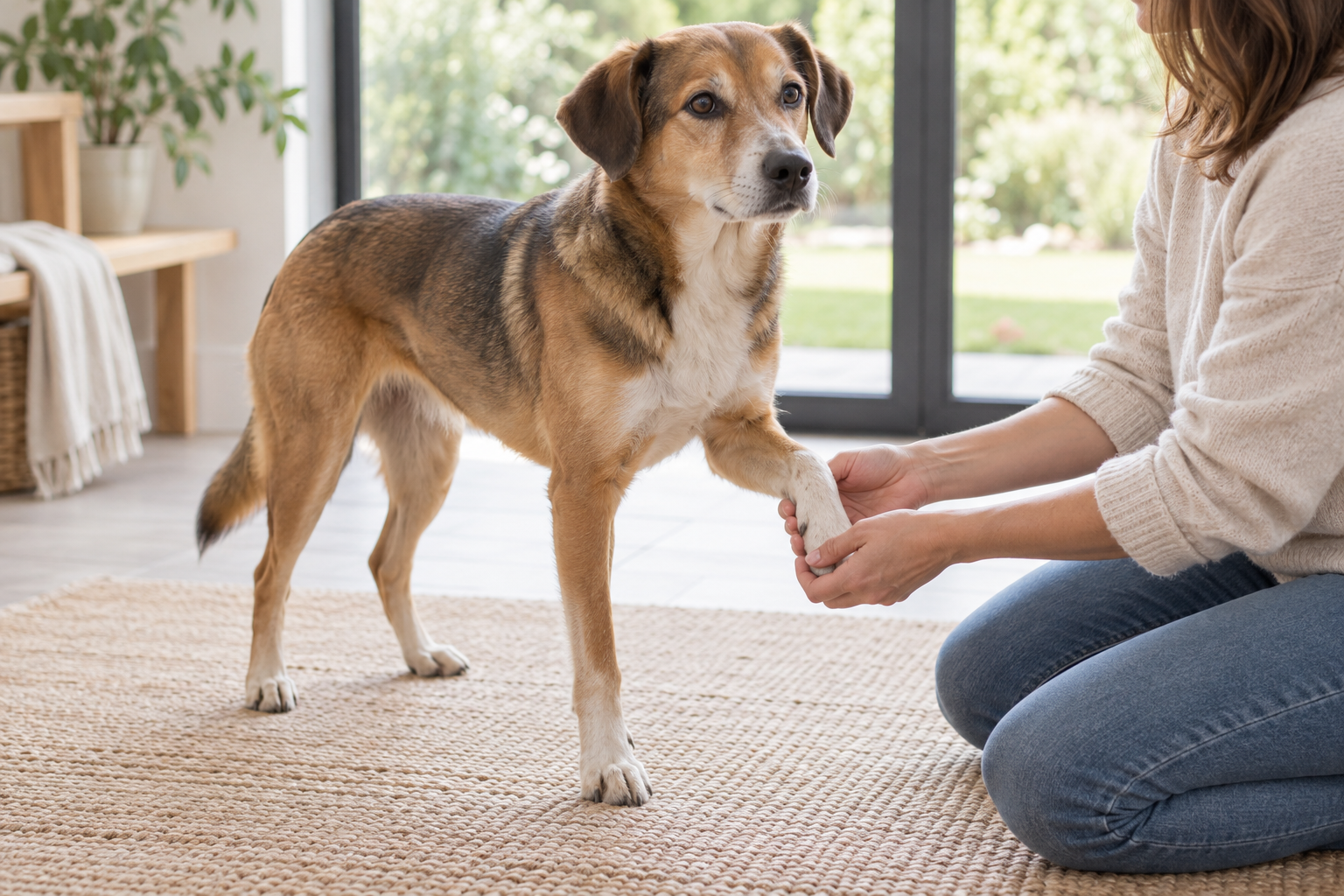
Puppies sleep for much of the day because growth, learning and emotional regulation are demanding. Quality and pattern matter more than chasing one exact number.
Look at the whole dog, not one sign in isolation. Note when the change began, what else changed and whether normal eating, drinking, movement and toileting continue.
What this sign can mean
The same visible behaviour can have several explanations. Context, duration and accompanying changes help a veterinary professional narrow the possibilities; an online description cannot confirm the cause.
- Age, breed, growth rate and daily stimulation
- Short sleep cycles interrupted by toilet needs
- Overtiredness after exciting play or visitors
- An unsuitable sleeping area that is noisy, hot or exposed
- Discomfort, digestive upset or illness interfering with rest
What to observe before calling the vet
A short, factual record is more useful than trying several remedies. If it is safe, collect the following information without restraining or repeatedly testing your pet.
- Total rest across naps and nighttime rather than one long block
- Whether the puppy wakes bright, interested and willing to eat
- Frantic biting, zooming or inability to settle after activity
- Changes in sleep paired with vomiting, diarrhoea or low energy
- The relationship between meals, toileting, play and naps
What you can do right now
- Offer a quiet, comfortable sleep area away from constant traffic
- Alternate short activity with predictable opportunities to rest
- Take the puppy out to toilet calmly, then return to the sleep routine
- Let sleeping puppies rest rather than repeatedly waking them for play
Do not give human medication, use leftover prescriptions or force food and water. Those steps can obscure symptoms or create a second problem.
When to arrange a veterinary appointment
Ask your veterinarian about a marked change in sleep, difficulty waking, persistent restlessness, poor appetite or failure to engage normally when awake.
Seek prompt care when unusual sleepiness accompanies weakness, collapse, breathing difficulty, repeated vomiting, diarrhoea or possible toxin exposure.
A useful 24-hour record
Write down the time of each episode, meals, water, urine, stool, sleep, activity and medication. Take clear photographs or short videos when doing so does not delay urgent care. In a multi-pet home, separate observation periods may be necessary to identify which animal ate or used the litter area.
Patterns matter: a single event after a clear trigger differs from a change that repeats, intensifies or appears alongside appetite, weight, breathing, mobility or personality changes. Your veterinary team can also tell you whether monitoring is reasonable or an examination is needed sooner.
Frequently asked questions
Should a puppy sleep through the night?
Young puppies often need toilet breaks. Nighttime stretches usually lengthen with bladder maturity and a consistent routine.
Does overtiredness cause biting?
It can lower a puppy’s ability to regulate behaviour. Biting also reflects normal exploration and learning, so rest is one part of the plan.
Should the crate be used for every nap?
A crate can be one safe rest option when introduced positively, but the puppy also needs choice, comfort and gradual training.
Reliable reference
This guide was prepared as general education and reviewed against veterinary reference material. Read the supporting source: veterinary guidance used for this topic.
This article does not diagnose or replace examination by a veterinarian. When symptoms are sudden, severe or worsening, contact a veterinary professional.