September 29, 2026
Why Is My Dog Shaking His Head?
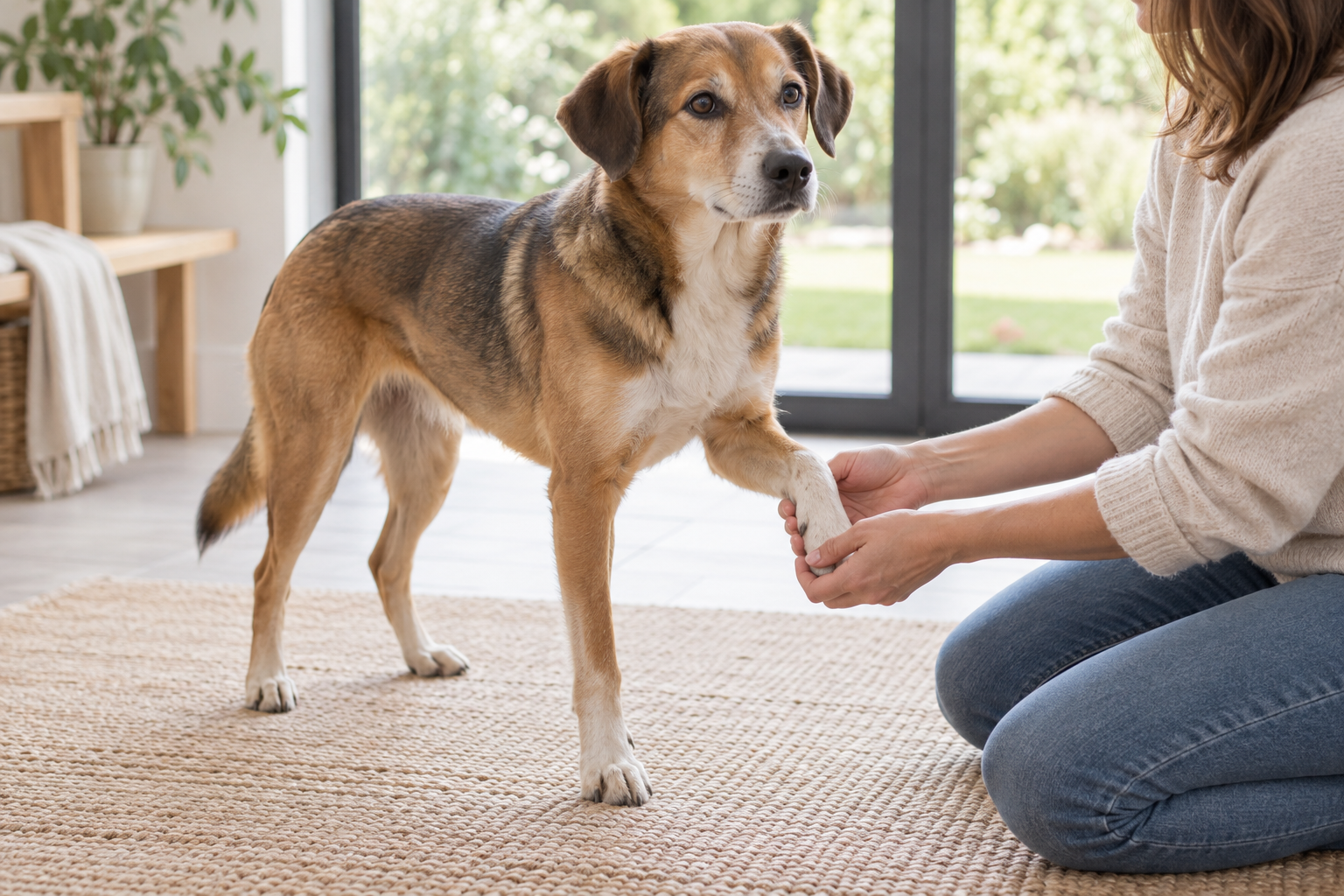
A single shake may clear water or an itch. Repeated head shaking commonly signals discomfort in or around an ear.
Look at the whole dog, not one sign in isolation. Note when the change began, what else changed and whether normal eating, drinking, movement and toileting continue.
What this sign can mean
The same visible behaviour can have several explanations. Context, duration and accompanying changes help a veterinary professional narrow the possibilities; an online description cannot confirm the cause.
- Inflammation of the outer ear canal
- Yeast, bacteria or ear mites
- A grass seed or other foreign material
- Water trapped after swimming or bathing
- Allergic skin disease affecting both ears
What to observe before calling the vet
A short, factual record is more useful than trying several remedies. If it is safe, collect the following information without restraining or repeatedly testing your pet.
- Whether one ear or both appear uncomfortable
- Odour, redness, wax, discharge or dampness
- Scratching, head tilt, loss of balance or pain when chewing
- Recent swimming, grooming or time in long grass
- Previous ear infections and any medication already used
What you can do right now
- Keep the ear dry and stop inserting cotton buds or fingers
- Photograph visible discharge without pulling painfully on the ear
- Prevent vigorous scratching if it is damaging the skin
- Book an examination before using leftover ear drops
Do not give human medication, use leftover prescriptions or force food and water. Those steps can obscure symptoms or create a second problem.
When to arrange a veterinary appointment
Contact a veterinarian when shaking repeats, the ear smells different, discharge appears or the dog is painful. Ear problems often need examination of the canal and eardrum before treatment.
Seek urgent help for loss of balance, persistent head tilt, rapid eye movements, severe swelling, bleeding or sudden distress after a suspected foreign body.
A useful 24-hour record
Write down the time of each episode, meals, water, urine, stool, sleep, activity and medication. Take clear photographs or short videos when doing so does not delay urgent care. In a multi-pet home, separate observation periods may be necessary to identify which animal ate or used the litter area.
Patterns matter: a single event after a clear trigger differs from a change that repeats, intensifies or appears alongside appetite, weight, breathing, mobility or personality changes. Your veterinary team can also tell you whether monitoring is reasonable or an examination is needed sooner.
Frequently asked questions
Can I clean the ear at home?
Routine cleaning may suit some dogs, but an already painful ear should be examined first. A damaged eardrum changes which products are safe.
Will an ear infection clear by itself?
Waiting can allow inflammation to worsen. Different causes look similar and require different treatment.
Why does the ear flap look swollen?
Forceful shaking can break small blood vessels and create an aural haematoma, which needs veterinary attention.
Reliable reference
This guide was prepared as general education and reviewed against veterinary reference material. Read the supporting source: veterinary guidance used for this topic.
This article does not diagnose or replace examination by a veterinarian. When symptoms are sudden, severe or worsening, contact a veterinary professional.