July 31, 2026
How Much Exercise Does a Dog Need Every Day?
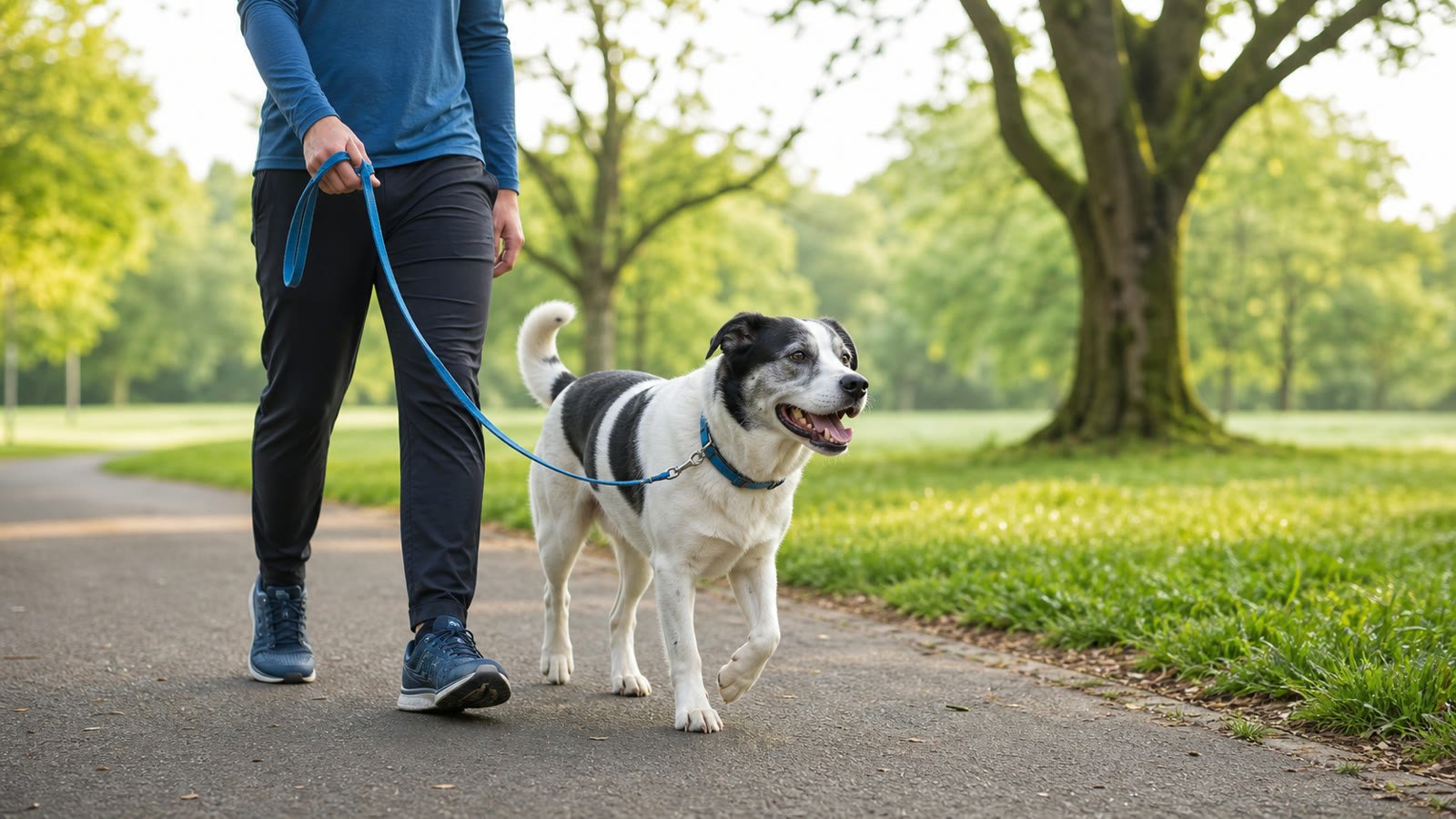
There is no universal number of minutes that every dog must exercise. A growing puppy, a healthy adult working breed and a senior dog with arthritis need different activities, intensities and recovery time.
This guide explains how much exercise a dog needs every day and how to build a routine around age, health, breed traits, weather and the dog’s response.
How much exercise does a dog need?
Healthy adult dogs commonly need daily walking, play and mental activity, but the correct amount varies widely. Puppies benefit from several short sessions, while seniors usually need gentler consistent movement. Ask your veterinarian before starting or increasing exercise for a puppy, senior, overweight dog or dog with a medical condition.
The five factors that determine exercise needs
- Age: growing joints and ageing bodies need different loads.
- Health: heart, respiratory, joint and neurological conditions change safe activity.
- Breed traits: energy and working drive vary, although individuals still differ.
- Fitness: endurance builds gradually; weekend intensity cannot replace a consistent routine.
- Weather: heat, humidity, ice and extreme cold can make a familiar walk unsafe.
AKC guidance emphasises that age, breed and health determine exercise needs, with puppies generally doing better with short bursts than one long session.
Exercise by life stage
Puppies
Use several short walks, gentle play, sniffing and training moments. Avoid forced long-distance running, repetitive jumping and exercise designed around an arbitrary formula. Growth rates vary, so ask the veterinarian about breed and joint development.
Healthy adult dogs
Combine aerobic movement, opportunities to sniff, play and skills work. High-energy dogs may need substantially more than a walk around the block, but constant high-intensity exercise can create an athlete who struggles to settle. Teach rest as well as activity.
Senior dogs
Continue regular movement at a comfortable pace. Shorter, more frequent outings often suit older dogs better than an occasional long walk. Pain, stiffness and recovery the following day are important feedback.
Signs the routine may be too little
- Persistent restlessness despite adequate rest and care
- Repeated demand behaviours at predictable inactive times
- Weight gain when diet and health have been reviewed
- Difficulty settling after long periods without activity
These signs are not proof of under-exercise. Pain, anxiety, diet and other health issues can look similar.
Signs exercise may be too much
- Lagging behind, repeatedly stopping or seeking shade
- Excessive panting that does not settle promptly
- Limping, stiffness or reluctance later that day or the next morning
- Worn paw pads, weakness, vomiting or disorientation
Stop for breathing difficulty, collapse, confusion or signs of heat illness and seek urgent veterinary care.
A balanced weekly routine
Rather than chasing a single daily target, mix appropriate activities: relaxed sniffing walks, controlled play, reward-based training, safe off-lead movement where permitted, and recovery days. Indoor scent searches and short training sessions add mental work when weather limits outdoor activity.
Increase duration or intensity gradually, changing one variable at a time. Bring water on longer outings and check surface temperature before walking in warm conditions.
Frequently asked questions
Is a 30-minute walk enough for a dog?
It may be enough for one dog and insufficient or excessive for another. Consider pace, health, age and other activity across the day.
Does garden time count as exercise?
It provides access and enrichment, but many dogs do not exercise themselves in a garden. Shared walks and activities remain important.
Can dogs exercise every day?
Most dogs benefit from daily appropriate movement, with intensity adjusted and recovery included.
How much exercise does a senior dog need?
Enough comfortable movement to support mobility without causing pain or prolonged fatigue. A veterinarian can create an individual plan.
Is mental stimulation as tiring as walking?
It serves a different purpose. Sniffing and training complement physical activity but do not replace all movement.
Consult a veterinarian before changing exercise for a dog with illness, pain, breathing difficulty or reduced mobility.