July 30, 2026
How to Stop Cat Litter Tracking: 9 Practical Steps
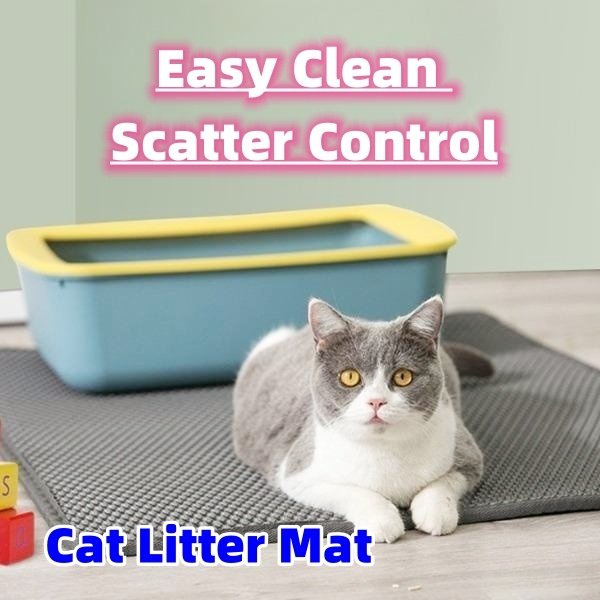
Cat litter tracking starts with a few grains on the paws and can end with a trail across the room. The right setup will not promise a completely grain-free floor, but it can contain much more of the mess close to the tray.
This practical guide explains how to stop cat litter tracking, why it happens, how to choose and position a litter mat and which cleaning routine keeps the box comfortable for your cat.
Why does cat litter get everywhere?
Loose granules leave the tray in two main ways: they are kicked out while a cat digs, or they cling to paws and fur before dropping elsewhere. Lightweight litter tends to travel farther, while a small tray, low sides and an energetic digger can increase scatter around the box.
The route out of the tray matters too. If a cat can jump directly onto carpet or turn in several directions, the litter has more opportunities to spread. A mat works best when it becomes the unavoidable first landing area.
How to stop cat litter tracking: 9 practical steps
1. Start with a comfortably sized tray
Your cat needs enough room to enter, turn, dig and cover without feeling cramped. A larger tray leaves more of the digging action inside its walls and can reduce litter being pushed over the edge.
2. Consider higher sides
Higher walls can contain scatter from enthusiastic digging, provided the entrance remains easy for your cat to use. Kittens, senior cats and cats with mobility problems may need a lower entry point. Do not trade accessibility for a tidier floor.
3. Put the tray in a quiet, accessible place
A litter box should feel safe and easy to reach. Keep it away from food and water, noisy appliances and locations where another pet can block the exit. A cleanable hard floor is useful, but your cat’s comfort comes first.
4. Use a litter mat large enough for several steps
A tiny mat only catches the first paw print. Choose a size that extends beyond the entrance and, if your cat jumps over it, reposition the tray so the mat covers the natural exit route. Double-layer mats allow granules to fall through the upper surface instead of remaining loose under the paws.
5. Test a less-tracking litter gradually
Larger or heavier granules may travel less than very fine, lightweight material. Cats can be particular about texture and scent, so avoid sudden changes. Mix the new litter in gradually and return to the familiar option if your cat becomes reluctant to use the tray.
6. Keep the correct litter depth
Overfilling gives a cat more material to throw over the edge. Too little can make digging and covering difficult. Cats Protection advises around 3 cm as a general starting point, although preference varies between cats.
7. Scoop waste consistently
A clean tray is more inviting and gives your cat room to use it without excessive searching and digging. Cats Protection recommends removing urine clumps and faeces twice daily, with more frequent attention for cats that avoid a soiled box.
8. Empty the mat before it overfills
Collected litter can be tracked again if it builds up inside or on top of the mat. Open and empty a double-layer mat regularly, then wipe or rinse it according to its care instructions. Let it dry completely before putting it back.
9. Sweep or vacuum the immediate area
A quick daily clean near the tray prevents stray granules travelling through the rest of the home. Use a separate dustpan or a suitable vacuum attachment and avoid strongly scented cleaning products around the box.
What is the best cat litter mat?
The best mat is one your cat will walk across and you can clean easily. Look at size, texture, layer construction, floor protection and how simply trapped granules can be emptied.
| Feature | Why it matters | What to check |
|---|---|---|
| Coverage | More steps across the mat can release more loose litter | Measure the tray and the cat’s usual exit route |
| Surface texture | It should catch litter without discouraging the cat | Avoid anything sharp, unstable or uncomfortable |
| Double-layer design | Separates caught granules from the walking surface | Check that it opens easily for emptying |
| Water-resistant base | Adds a layer of floor protection | The mat still needs prompt cleaning after spills |
| Low profile | Reduces the edge a cat must step over | Especially important for kittens and senior cats |
Where should a litter mat go?
Place it directly beneath or in front of the litter tray, with the largest area covering the exit. If the tray has a single doorway, centre the mat there. For an open tray, observe which side your cat normally uses and extend coverage in that direction.
Keep the mat flat on a dry floor. Curled edges, sliding or movement under the paws may make a cautious cat avoid it. Introduce a new mat without blocking the familiar route and allow your cat to investigate it at their own pace.
How often should you clean a cat litter box?
Remove solid waste and clumps at least daily; twice daily is a useful routine for many homes. Give the tray a complete clean regularly using hot, soapy water or a cat-safe cleaner, then rinse and dry it. Cats Protection recommends a full clean at least weekly, with more frequent cleaning where needed.
Use a slotted scoop suited to the granule size so clean litter can fall back through. Inspect the tray, mat and scoop for cracks or sharp damage as you clean. Wash your hands after handling litter-box waste; people who are pregnant or immunocompromised should follow medical advice about litter-box hygiene.
How many litter boxes do cats need?
A widely used starting point is one tray per cat plus one extra, placed in separate accessible locations rather than lined up as a single toilet area. Multiple trays give cats choice and reduce competition in multi-cat homes. Individual needs, available space and veterinary advice can change the ideal setup.
Common litter-tracking mistakes
- Choosing a mat that is too small: the cat steps over it before loose grains fall away.
- Blocking the entrance: a mat should not make the tray feel difficult or unsafe to access.
- Changing litter suddenly: texture and scent changes can cause litter-box avoidance.
- Using strong fragrances: a smell that seems fresh to people may be unpleasant to a cat.
- Ignoring the mat: trapped litter and moisture still need regular removal.
- Expecting one product to solve everything: tray size, location, litter and cleaning routine work together.
Frequently asked questions
Do cat litter mats actually work?
A well-positioned mat can catch a meaningful amount of litter released from paws or kicked near the entrance. It will not capture every grain, particularly when a cat jumps over it or litter leaves from several sides.
Can collected litter be put back in the tray?
Only consider returning visibly clean, dry litter that has remained inside a clean mat. Discard anything wet, contaminated or mixed with floor debris. When in doubt, throw it away.
Are litter mats safe for kittens?
Choose a stable, low-profile mat without loose pieces or sharp edges and supervise the introduction. Replace it if a kitten chews or damages it.
Why is my cat suddenly avoiding the litter box?
A dirty tray, a stressful location, changes in litter or discomfort can all contribute. Sudden house-soiling can also indicate a medical problem. Contact your veterinarian instead of assuming the behaviour is caused by tracking equipment.
Does trimming paw fur stop litter tracking?
Long fur around the paws can carry granules, but trimming is not appropriate for every cat and should never risk cutting skin or whisker-like tactile hairs. Ask a veterinarian or qualified groomer for individual guidance.
Design the litter area as a sequence
Give the cat enough room to turn comfortably, place a generously sized textured mat beyond the exit and keep a covered waste container nearby for daily scooping. Vacuum or sweep the surrounding route frequently. Avoid trapping the cat in a cramped corner or making access difficult in an attempt to contain granules.
This guide provides general information. Contact your veterinarian if your cat strains, urinates frequently, cries in the tray, produces blood, suddenly toilets elsewhere or shows another change in litter-box behaviour.