July 30, 2026
Interactive Cat Toys for Indoor Cats: Play and Safety Guide
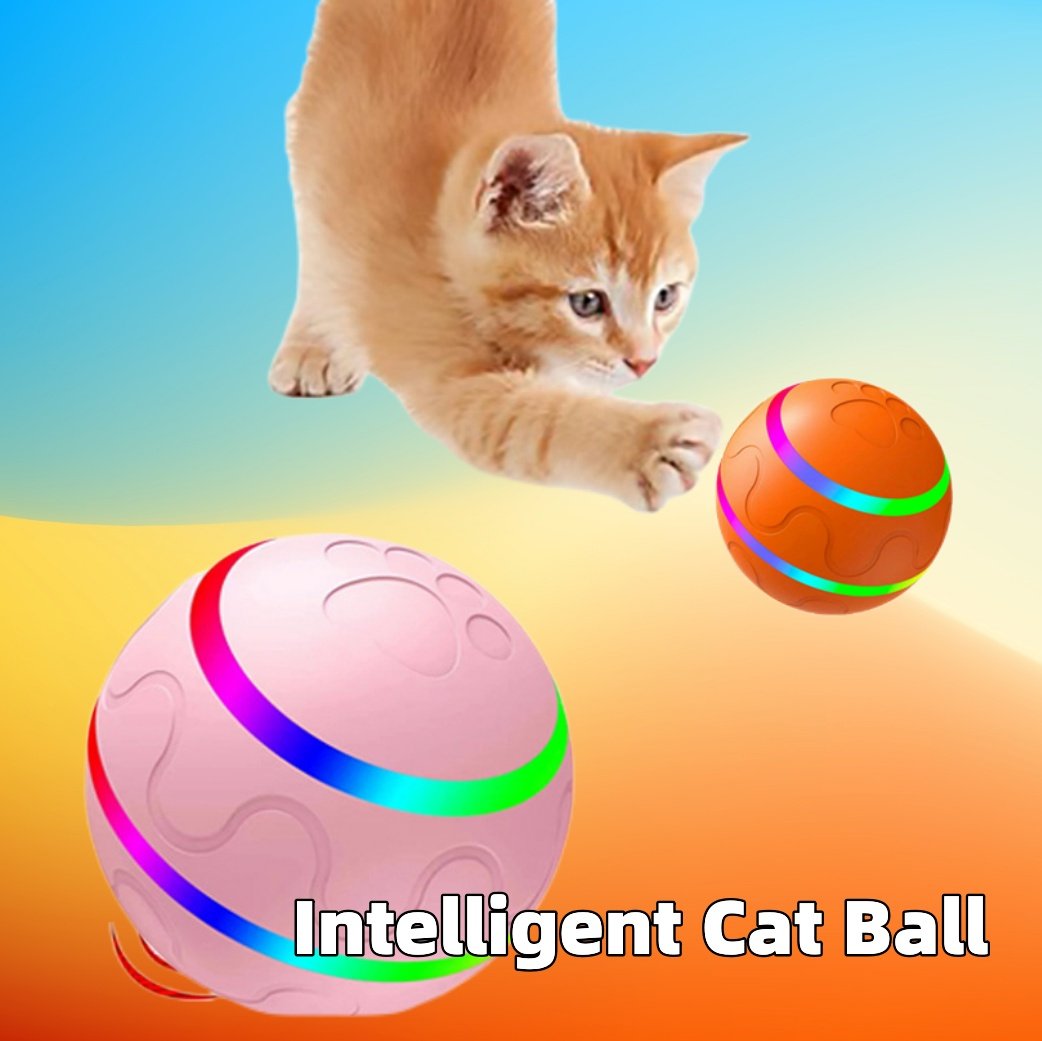
Indoor cats still have a strong drive to stalk, chase, pounce and capture. The best toy is not necessarily the most complicated one—it is the one that matches your cat’s preferred “prey”, moves in an interesting way and is rotated before it becomes predictable.
This guide explores interactive cat toys for indoor cats, how automatic toys compare with caregiver-led play, how to introduce a self-moving ball and the safety checks that belong in every play routine.
Why interactive play matters for indoor cats
Play provides an outlet for species-typical hunting behaviour and can support activity, confidence and the relationship between a cat and caregiver. Ohio State University’s Indoor Pet Initiative recommends regular play as a way to improve quality of life and channel excess energy.
Enrichment is not about keeping a cat constantly busy. Cats naturally alternate short bursts of activity with long periods of rest. A useful routine offers choice: places to climb and hide, opportunities to scratch, food puzzles, window views and several different styles of play.
What makes a cat toy interactive?
An interactive toy responds to the cat or to a caregiver. A wand changes direction as the person moves it; a track ball moves when the cat bats it; an automatic ball rolls or changes course under its own power. Movement matters because it can resemble the unpredictable behaviour of prey.
The Indoor Pet Initiative’s toy guidance notes that many cats are attracted to toys that move, jitter, swing or vibrate. Individual preference still matters: one cat may chase a rolling ball immediately while another prefers a quiet fabric mouse.
7 types of interactive cat toys for indoor cats
1. Wand and fishing-rod toys
Caregiver-controlled movement can imitate prey that pauses, hides and escapes. Keep the toy moving away from the cat rather than directly into their face, and allow successful catches during the session.
2. Rolling and self-moving balls
Balls create chase-and-pounce opportunities across open floors. Automatic versions add direction changes that may renew interest, while simple lightweight balls let the cat control every movement.
3. Track toys
A ball contained inside a circular track cannot disappear under furniture and may suit cats who enjoy repeated paw movements from one position.
4. Puzzle feeders
Food puzzles combine manipulation with a measured portion of the normal diet. Start easy, account for every calorie and never make access so difficult that the cat becomes frustrated.
5. Tunnels and hiding games
Tunnels create cover for stalking, ambushing and resting. Move a separate toy past the entrances rather than placing hands inside where an excited cat may grab them.
6. Kicker toys
Long fabric toys allow a cat to grip with the front paws and kick with the back feet. Choose robust seams and remove loose fabric, stuffing or decorations.
7. Boxes and paper-based play
Simple cardboard boxes, paper balls and packing paper can be highly engaging. Remove staples, tape, handles and pieces small enough to swallow.
Automatic cat toy vs wand toy
| Feature | Automatic moving toy | Caregiver-led wand toy |
|---|---|---|
| Movement | Programmed or reactive | Can adapt immediately to the cat |
| Human interaction | Lower during operation | High |
| Best use | Short supervised variety sessions | Bonding and tailored prey-style play |
| Catch moment | Depends on toy design | Caregiver can deliberately allow a catch |
| Inspection | Motor, shell and charging parts | String, attachment and wand condition |
These options complement each other. An automatic ball is useful variety, but it cannot read subtle body language or replace the shared experience of playing together.
How to choose an automatic cat ball
- Size: it should be too large to swallow and easy for the cat to bat without trapping a paw or jaw.
- Movement modes: a slower option makes introduction easier for cautious cats.
- Surface compatibility: check whether the ball moves effectively on your hard floor, rug or carpet.
- Noise: motor noise may interest a confident cat but worry a noise-sensitive one.
- Construction: inspect seams, covers and charging ports for damage.
- Charging: store the cable outside the cat’s reach and never operate a damaged battery product.
- Controls: confirm whether the selected version is self-moving, remote-controlled or non-powered.
How to introduce a self-moving cat toy
- Let your cat inspect it while switched off. Place it on the floor and reward calm curiosity without forcing an approach.
- Clear the play area. Remove cables, breakable objects, bowls and anything the ball could trap itself beneath.
- Start at a distance. Turn on the gentler mode away from your cat so movement does not feel confrontational.
- Keep the first session brief. One or two minutes can be enough for an introduction.
- Allow a pause and capture. Switch it off periodically so your cat can investigate the “caught” object.
- End while interest remains. Put the toy away rather than leaving it running until it becomes background noise.
Signs your cat is enjoying the game
Focused watching, a loose crouch, forward-facing ears, stalking, batting and returning voluntarily after a pause generally indicate engagement. Some cats prefer to observe for several sessions before joining in.
Stop or reduce intensity if your cat repeatedly retreats, flattens the ears, lashes the tail, growls, hides or cannot disengage. Never chase a reluctant cat with a powered toy.
Interactive cat-toy safety checklist
- Supervise new and powered toys.
- Inspect the shell, silicone cover and charging port before use.
- Remove loose, cracked or chewed components immediately.
- Keep charging cables unplugged and stored away from pets.
- Use the toy on a dry floor and follow its water-resistance limits.
- Do not let a cat chew continuously on an electronic toy.
- Keep string, ribbon and elastic toys out of reach after play.
- Choose balls and attachments too large to swallow.
The ASPCA warns that swallowed string and similar materials can cause serious intestinal injury. Store string-based toys securely and contact a veterinarian promptly if you suspect ingestion.
How often should you rotate cat toys?
Keep a small selection available and swap several items every few days or when interest falls. Rotation restores novelty without requiring a constantly growing collection. Retain a favourite comfort toy if your cat regularly sleeps beside it or carries it around.
Mix categories rather than offering five versions of the same experience: one chase toy, one kicker, a puzzle, a tunnel and a caregiver-led wand create more variety than several stationary balls.
Frequently asked questions
Are automatic cat toys good for indoor cats?
They can add movement and variety to an indoor enrichment routine. Use them for short supervised sessions and continue providing caregiver-led play, climbing, scratching and resting choices.
Why is my cat afraid of a moving ball?
The sound, speed or unpredictable direction may be unfamiliar. Introduce the ball switched off, begin with the gentlest mode at a distance and allow your cat to leave. Some cats simply prefer another toy style.
Can I leave an automatic cat ball running while I am away?
Supervision is the safer default, especially during early use. Powered toys can become damaged, trapped or chewed, and individual manufacturer guidance varies.
How long should a cat play session last?
Short sessions repeated through the day often match feline activity patterns better than one long session. Let your cat’s engagement and physical condition guide the duration.
Will an interactive toy stop my cat scratching furniture?
Play may help channel energy, but cats also need suitable scratching surfaces in preferred locations. Provide vertical and horizontal scratchers and ask a veterinarian or qualified behaviour professional about persistent changes.
Build a varied indoor play rotation
Combine short hunting sequences, food-search games, climbing opportunities and independent objects that are safe to leave available. Rotate toys instead of presenting everything continuously. Strings, feathers, powered toys and small detachable parts require supervision and should be stored after play.
This guide provides general educational information. Contact your veterinarian about sudden inactivity, pain, breathing difficulty or significant behavioural change.